
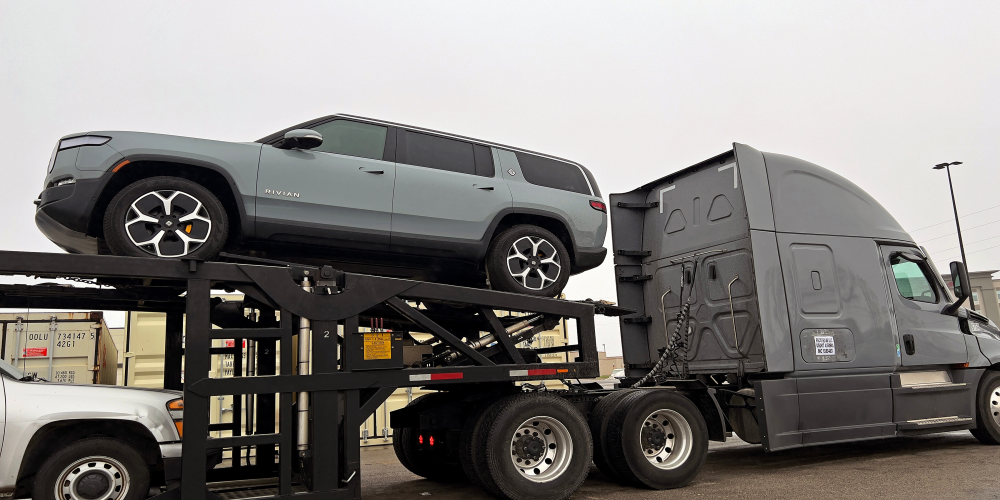
Top-Load Car Shipping: Understanding the Upper Deck Service Option
Top-load car shipping represents a specialized service option within the open auto transport industry, providing vehicle owners with enhanced protection while maintaining the cost advantages of open carrier transport. Understanding this service becomes essential for anyone seeking additional peace of mind during vehicle transport without the premium costs associated with enclosed shipping.
What is Top-Load Car Shipping?
Top-load car shipping refers to the placement of vehicles on the upper deck of a multi-level auto transport trailer. Most open car carriers feature two-level configurations, with space for vehicles on both upper and lower decks. When you request top-load service, carriers guarantee your vehicle’s placement on the highest level of the trailer, elevating it away from potential ground-level hazards.
Standard auto transport trailers typically accommodate 7-10 vehicles across two levels. A typical auto transport trailer has 2 levels (decks). Top-loading will protect your vehicle from possible fluid leaks from other vehicles above it, in addition, there’s less chance for small rock chips to occur. The upper deck positioning creates a physical barrier between your vehicle and various road-level risks that can affect transport quality.
How Top-Load Service Works
The top-load process begins when carriers load vehicles onto transport trailers. During normal operations, drivers arrange vehicles strategically across both levels to maximize efficiency and safety. However, when customers request top-load service, carriers must accommodate this specific placement requirement, often requiring trailer rearrangement to ensure the designated vehicle reaches the upper level.
Transport professionals secure top-loaded vehicles using the same tie-down systems employed throughout the industry. Multiple anchor points and specialized strapping equipment ensure vehicle stability during transport, regardless of deck placement. The elevated position doesn’t compromise security but rather provides additional clearance from road-level disturbances.
Transport Service Options in Top-Load Context
Open Car Shipping
Open car shipping remains the foundation for top-load services, representing the most common and economical vehicle transport method. Top load specifically applies to open-air car transport, the most common method. This service exposes vehicles to weather elements while providing substantial cost savings compared to enclosed alternatives.
Top-load enhancement within open transport offers a middle-ground solution for vehicle owners seeking additional protection without enclosed transport expenses. The service maintains open transport’s inherent cost advantages while reducing specific risk factors associated with lower-level placement.
Enclosed Car Shipping
While top-load service provides enhanced protection within open transport, enclosed car shipping offers complete environmental protection. For maximum protection of your classic car during transport, enclosed shipping is the ideal choice. But don’t worry, even with open transport, the risk of damage is minimal, whether your car is on the top or bottom deck. Enclosed transport typically costs 50-80% more than open transport options.
Understanding the relationship between top-load and enclosed services helps vehicle owners make informed decisions based on protection needs and budget constraints.
Door-to-Door Car Shipping Services
Top-load service integrates seamlessly with door-to-door delivery options, allowing customers to combine convenience with enhanced protection. Carriers can accommodate top-load requests within standard door-to-door operations, though specific placement requirements may affect scheduling flexibility.
Expedited Car Shipping Services
Expedited transport services can incorporate top-load placement, though combining these services may increase costs significantly. Top load transports can also take longer to complete. Finding a carrier with an empty spot on the top level of a trailer can be challenging. The limited availability of upper deck spots can extend wait times for expedited top-load combinations.
Guaranteed Car Shipping Services
Guaranteed pickup services become particularly valuable when combined with top-load requests due to availability constraints. The combination ensures both timing and placement requirements receive priority attention from carriers and dispatchers.
Benefits of Top-Load Car Shipping
Protection from Road Debris
Road debris represents a constant hazard during open carrier vehicle transport, with highways containing rocks, dirt, tire fragments, and various foreign materials. Cars on the bottom level of the transport truck are much more susceptible to flying road debris. Top Load level offers a lot more protection. Vehicles on lower levels face direct exposure to debris kicked up by passing traffic, while top-loaded vehicles benefit from increased clearance and the protective barrier created by the trailer structure.
Highway driving conditions create numerous opportunities for debris impact, particularly when transport trucks encounter construction zones, unpaved areas, or heavy traffic situations. Top-load positioning significantly reduces these exposure risks while maintaining the cost advantages of open transport.
Fluid Leak Prevention
Older vehicles occasionally develop fluid leaks during transport, creating potential contamination risks for vehicles positioned below. Fluid Leaks: Experts estimate that 2-3% of bottom-loaded cars experience fluid contamination from vehicles above. Top-load placement eliminates this concern entirely by ensuring no vehicles are positioned above your car.
While fluid leaks remain relatively uncommon in professional auto transport, the peace of mind provided by top-load placement becomes particularly valuable for high-value or pristine vehicles where any contamination would require extensive cleaning or potential refinishing.
Reduced Ground-Level Exposure
The elevated position of top-loaded vehicles provides additional clearance from road-surface contaminants, dust, and moisture that can affect lower-level vehicles. This positioning proves especially beneficial during wet weather conditions when road spray and surface water can impact transport quality.
Furthermore, top-loaded vehicles often receive enhanced visibility from drivers, potentially leading to increased attention and care during loading, transport, and unloading procedures.
Disadvantages and Limitations
Additional Costs
Top-load service requires premium pricing due to the specialized handling and potential trailer rearrangement necessary to accommodate specific placement requests. Another disadvantage is that when a top load slot is available, you’ll pay extra for it, usually $150-$200 more depending on the carrier or broker doing the transport. These additional costs reflect the extra labor and coordination required to meet customer specifications.
The premium ranges from $50-$300 above standard transport rates, with variations depending on route distance, carrier policies, and current demand for top-load services.
Limited Availability
Top-load slots represent finite capacity within carrier operations, with each trailer offering limited upper deck positions. After all, there are only so many top spots available on a trailer. This constraint can extend booking windows and reduce scheduling flexibility, particularly during peak transport seasons.
Carriers may need to decline top-load requests if upper deck capacity is already committed, potentially requiring customers to wait for subsequent transport opportunities or accept alternative arrangements.
Increased Weather Exposure
While top-load positioning offers protection from ground-level hazards, it creates increased exposure to certain weather conditions. The disadvantage of top load car shipping is that your vehicle is more exposed to the elements of nature, particularly hail. Vehicles on upper decks face direct exposure to precipitation, wind, and temperature extremes that lower-level vehicles may partially avoid.
Hail damage, while extremely rare in auto transport, primarily affects top-loaded vehicles when severe weather strikes. Additionally, intense sunlight exposure can potentially affect vehicle interiors and finishes during extended transport periods.
Low-Hanging Hazards
Top-loaded vehicles face unique risks from low-hanging obstacles that don’t affect lower-level transport. Low-hanging trees can potentially affect top load car shipping. Vehicles loaded on the upper deck of a transport trailer may be at risk of damage from low-hanging branches during loading, unloading, or while traveling under low-clearance areas such as bridges or overpasses.
Professional drivers plan routes carefully to avoid these hazards, but rural areas and certain urban environments may present unavoidable low-clearance situations that create additional risk factors for top-loaded vehicles.
Cost Analysis and Pricing Considerations
Top-load service pricing varies significantly based on multiple factors including route distance, seasonal demand, and carrier availability. The service typically adds 15-30% to standard open transport costs, positioning it between regular open transport and enclosed shipping in terms of pricing.
Cost Comparison by Distance
| Route Distance | Standard Open Transport | Top-Load Premium | Total Top-Load Cost |
|---|---|---|---|
| Under 500 miles | $400-$700 | $75-$150 | $475-$850 |
| 500-1,000 miles | $600-$1,100 | $100-$200 | $700-$1,300 |
| 1,000-2,000 miles | $800-$1,400 | $150-$250 | $950-$1,650 |
| Over 2,000 miles | $1,100-$1,800 | $200-$300 | $1,300-$2,100 |
Service Comparison Pricing
| Service Type | Protection Level | Typical Cost Range | Best For |
|---|---|---|---|
| Standard Open | Basic | $400-$1,800 | Daily drivers, newer vehicles |
| Top-Load Open | Enhanced | $475-$2,100 | Classic cars, maintained vehicles |
| Enclosed Transport | Maximum | $600-$2,700 | Luxury, exotic, show vehicles |
| Single Car Enclosed | Premium | $800-$3,500 | Ultra-high-value vehicles |
When to Choose Top-Load Service
Vehicle Type Considerations
Classic and vintage vehicles represent the primary candidates for top-load service, as these cars often require enhanced protection while maintaining reasonable transport costs. Top load transport is a cost-effective option that provides enhanced protection without the premium price tag of enclosed transport. Well-maintained daily drivers may also benefit from top-load placement when owners prioritize vehicle condition.
Convertible vehicles, with their fabric or vinyl tops, face particular vulnerability to overhead hazards, making top-load placement especially valuable for these vehicle types. Similarly, vehicles with custom paint, recent restoration work, or show-quality finishes often justify the additional top-load investment.
Budget Considerations
Top-load service provides an excellent middle-ground option for vehicle owners seeking enhanced protection without enclosed transport expenses. The service offers meaningful protection improvements while maintaining accessibility for budget-conscious customers who cannot justify enclosed transport premiums.
For many classic car owners and automotive enthusiasts, top-load service represents the optimal balance between protection and affordability, providing peace of mind without breaking transportation budgets.
Transport Distance Impact
Longer transport distances increase exposure time to various hazards, making top-load protection increasingly valuable for cross-country shipments. Distance: The longer the transport, the higher the cost. Extended transport periods create more opportunities for road debris encounters and weather exposure, enhancing the value proposition of top-load placement.
Short-distance transport may not justify top-load premiums unless vehicle value or condition makes any risk unacceptable to the owner.
Industry Standards and Safety
Professional auto transport maintains rigorous safety standards regardless of vehicle placement within trailers. But don’t worry, even with open transport, the risk of damage is minimal, whether your car is on the top or bottom deck. Industry-wide damage rates remain extremely low across all placement options, reflecting the expertise and equipment quality maintained by professional carriers.
However, statistical analysis reveals measurable differences between placement options. According to Nationwide Auto Transportation, bottom-loaded vehicles have a 5% risk of damage during transport due to road debris or fluid leaks. In contrast, top-loaded vehicles are less likely to experience these issues, but they may face risks from environmental factors like low-hanging branches.
Alternatives to Top-Load Service
Standard Open Transport
Regular open transport provides reliable, cost-effective vehicle shipping for most consumer needs. Vehicle damage on open trailers is rare whether your car is on the top or bottom deck of the trailer. Many vehicle owners find standard open transport perfectly adequate for their needs, particularly when shipping newer or less valuable vehicles.
Enclosed Transport Options
For maximum protection, enclosed transport eliminates virtually all environmental risks while providing climate-controlled environments for valuable vehicles. If you want your car to be totally protected from rocks, road debris, and weather, nothing beats enclosed transportation, but it comes with a price.
Single Car Trailers
Some carriers offer single-vehicle enclosed trailers for ultra-high-value shipments, providing dedicated transport with white-glove service levels that exceed even standard enclosed options.
Making the Right Choice
Top-load car shipping serves specific customer needs within the broader auto transport market, offering enhanced protection for vehicles that don’t require enclosed transport’s maximum protection levels. The service works particularly well for classic car owners, automotive enthusiasts, and anyone shipping well-maintained vehicles over longer distances.
Nevertheless, many customers find standard open transport perfectly adequate for their needs. The decision ultimately depends on individual risk tolerance, vehicle value, and budget considerations.
Understanding top-load service options, costs, and limitations enables informed decision-making that balances protection needs with financial realities. Whether choosing standard open transport, top-load enhancement, or enclosed protection, professional auto transport companies provide safe, reliable vehicle shipping across all service levels, ensuring your vehicle arrives safely at its destination.