
Open Car Transport: Your Complete Guide
Understanding Open Car Transport
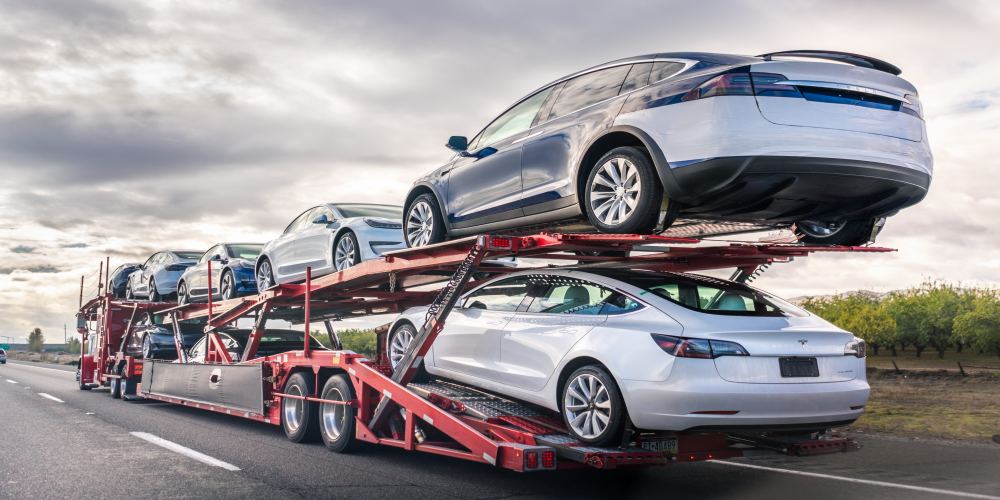
Open car transport represents the backbone of the vehicle shipping industry, handling roughly 95% of all car shipments nationwide. This method involves loading your vehicle onto a multi-level trailer where it travels alongside other cars, exposed to the outdoor environment during transit. Think of it as the highway equivalent of how new vehicles reach dealership lots – practical, efficient, and time-tested.
The appeal lies in its straightforward approach. Rather than individual enclosed compartments, open carriers maximize space by stacking vehicles on two levels, typically accommodating 7-9 cars per load. This shared transportation model drives down costs significantly compared to premium shipping options, making it accessible for everyday vehicle moves.
How Open Transport Actually Works
The process begins when a carrier receives multiple shipping requests along similar routes. Your car joins others heading in the same general direction, creating an efficient convoy system that benefits everyone involved. Drivers use hydraulic lifts and adjustable ramps to carefully position each vehicle, securing them with heavy-duty chains and wheel straps designed specifically for auto transport.
During loading, experienced drivers assess each car’s dimensions, weight distribution, and any special requirements. Taller vehicles like SUVs and trucks typically occupy the lower deck, while sedans and compact cars ride on the upper level. This strategic arrangement ensures optimal weight balance and road clearance throughout the journey.
Professional drivers conduct thorough inspections before departure, documenting existing scratches, dents, or other cosmetic issues to the BOL (Bill of Lading). This pre-transport assessment protects both you and the carrier by establishing a clear baseline for your vehicle’s condition.
The Economics of Open Shipping
Open transport achieves its cost advantage through simple mathematics – shared expenses across multiple vehicles. When one truck carries nine cars instead of one, fuel costs, driver wages, and operational overhead get divided among all customers. This economy of scale can reduce your shipping bill by 40-60% compared to enclosed car transport alternatives.
Distance plays a crucial role in pricing, but not in the way many expect. Longer routes often offer better per-mile rates because carriers can achieve greater efficiency on major highways. Cross-country shipments might cost less per mile than short regional moves, particularly on popular routes between major metropolitan areas.
Seasonal fluctuations also impact pricing significantly. Summer months typically see higher demand as families relocate, students move for college, and snowbirds migrate between seasonal homes. Winter shipping often provides better rates, though weather delays become more common in northern regions.
Weather and Environmental Considerations
Your vehicle faces the same environmental conditions during open transport as it would during regular daily driving – rain, sun, wind, and road dust. Modern open carriers feature side panels and strategic positioning that minimize direct exposure, but complete protection isn’t possible with this transport method.
Rain poses minimal risk since cars are designed to handle water exposure. Most moisture evaporates quickly once the trailer reaches highway speeds. Snow and ice present similar challenges to regular winter driving, requiring carriers to adjust routes and schedules accordingly.
Road debris represents the most legitimate concern with open transport. Highway construction, loose gravel, and kicked-up stones can potentially cause minor chips or scratches. However, carrier insurance policies specifically address these scenarios, and experienced drivers know which routes to avoid during certain conditions.
Comparing Transport Methods
The choice between open and enclosed car shipping ultimately depends on your vehicle’s value, your budget, and your peace of mind preferences. Open shipping suits the vast majority of standard vehicles – daily drivers, family cars, and typical trade-ins that don’t require special handling.
Enclosed transport makes sense for high-value vehicles, classic cars, or exotic models where even minor cosmetic damage could significantly impact worth. If your car’s value exceeds $50,000 or has irreplaceable custom features, the premium for enclosed shipping often justifies the extra protection.
Consider also your timeline flexibility. Open carriers operate more frequently with greater availability, often providing faster pickup and delivery windows and even guarantees. Enclosed transport requires more scheduling coordination due to limited carrier availability.
Insurance and Protection Protocols
Every legitimate auto transport carrier maintains cargo insurance covering vehicles in their care. This coverage typically ranges from $100,000 to $1,000,000 per incident, providing substantial protection for most standard vehicles. However, insurance policies contain specific terms, deductibles, and exclusion clauses that vary between carriers.
Before shipping, photograph your vehicle thoroughly from multiple angles, documenting any existing damage. Keep these images easily accessible during pickup and delivery inspections. Most transport-related claims involve disputes over whether damage existed before shipping, making detailed documentation essential.
Understand that carrier insurance covers transport-related damage, not pre-existing conditions or normal wear and tear. Mechanical issues, dead batteries, or minor cosmetic problems present before shipping remain your responsibility.
Maximizing Your Open Transport Experience
Preparation significantly impacts your shipping experience. Remove all personal items from your vehicle, as carriers cannot transport personal belongings and won’t assume liability for lost items. Disable car alarms, leave only a quarter tank of fuel, and ensure your battery maintains sufficient charge for loading and unloading.
Choose your pickup and delivery locations strategically. While door-to-door service sounds convenient, residential streets often cannot accommodate large transport trailers. Offering flexible meeting points like shopping centers or truck-friendly areas can speed up the process and potentially reduce costs.
Maintain realistic expectations about delivery timing. Open transport operates on route-based schedules rather than point-to-point express service. Weather delays, traffic conditions, and mandatory driver rest periods can extend transit times beyond initial estimates.
Making the Right Decision
Open car transport serves millions of customers annually because it strikes an optimal balance between cost, convenience, and safety. While it lacks the premium protection of enclosed shipping, the risks remain minimal for most vehicles when you choose reputable carriers with proper insurance coverage.
Focus on carrier reputation, insurance verification, and clear communication rather than just price comparison. The cheapest quote often comes with hidden compromises in service quality or coverage that can cost more in the long run.
Remember that auto transport is a service industry where relationships and experience matter significantly. Established companies with proven track records typically provide more reliable service than newer operators offering unrealistically low prices.