
North Dakota Car Shipping: Complete Auto Transport Guide for the Peace Garden State
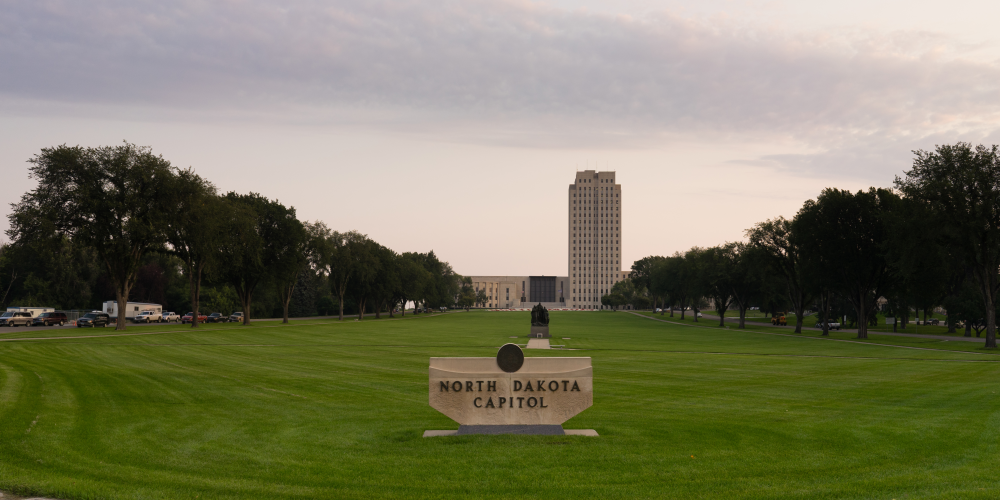
North Dakota stands as America’s most sparsely populated state, creating one of the nation’s most challenging yet distinctive car shipping markets. The Peace Garden State’s unique position encompasses extreme weather conditions ranging from -60°F winters to 100°F summers, vast agricultural landscapes, and the economic powerhouse of the Bakken oil fields. Understanding North Dakota’s transport dynamics becomes essential for the oil workers, agricultural professionals, seasonal residents, and newcomers who rely on vehicle shipping services to navigate this remote yet economically vital region.
Transport Service Options in North Dakota
North Dakota’s extreme seasonal weather variations and remote location require specialized service considerations that differ significantly from more temperate and populated regions.
Open Car Shipping
Open transport represents the most common and cost-effective shipping method, though North Dakota’s climate creates unique considerations for scheduling and protection. Your vehicle travels on an open trailer exposed to weather conditions, which requires careful timing given the state’s extreme seasonal variations.
With weather that can range from -60°F in winter to over 100°F in summer, and distances spanning from the Minnesota border to the Montana state line, carriers must understand the importance of reliable vehicle transport services in North Dakota. Open transport works well during North Dakota’s moderate seasons but requires strategic scheduling around severe weather events.
Nevertheless, North Dakota is mostly recognized for its icy winters and stunning scenery. The state’s harsh winter weather can affect car shipping prices, as ice and snow on roads may lead to longer transit times and increased costs during winter months. Open transport typically costs 30-40% less than enclosed options, making it the preferred choice for standard vehicles during favorable weather periods.
Enclosed Car Shipping
Enclosed auto transport provides premium protection by housing your vehicle in a covered trailer, which becomes particularly valuable during North Dakota’s extreme weather seasons. Being far inland and removed from large water bodies, North Dakota can get pretty frigid in the winter. Regarding the coldest major cities in the United States, three of the top five – Grand Forks, Bismarck, and Fargo – are in North Dakota.
Working with an auto transport team that knows how to protect your vehicle from vicious weather conditions proves essential in North Dakota’s challenging climate. Enclosed transport offers complete protection from snow, ice, road salt, and extreme temperature fluctuations that can damage vehicles during winter transport.
Enclosed shipping costs 40-60% more than open transport but provides maximum protection across North Dakota’s varied terrain and extreme seasonal conditions. For luxury, classic, or valuable vehicles, enclosed transport becomes nearly essential during winter months when temperatures don’t get above zero for days.
Door-to-Door Car Shipping Services
Door-to-door service means the carrier picks up and delivers your vehicle as close to your specified addresses as safely and legally possible. However, North Dakota’s rural nature and extreme weather create unique considerations for this service option.
North Dakota, where prairies stretch as far as the eye can see, thrives on vast and sparsely populated landscapes. Many locations require meeting carriers at more accessible points due to:
- Remote rural locations without adequate truck access
- Seasonal road conditions making certain areas inaccessible
- Weight restrictions on rural roads during spring thaw periods
- Limited turning radius for large transport trucks in small communities
Nevertheless, most major cities including Fargo, Bismarck, Grand Forks, and Minot maintain excellent highway access for door-to-door service year-round.
Expedited Car Shipping Services
Because of North Dakota’s remote location, time-sensitive or urgent shipments can benefit from expedited service, which utilizes team driving and dedicated express lanes to cut estimated delivery time. Expedited service becomes particularly valuable when weather events threaten to disrupt normal transport schedules.
During peak oil boom periods or harvest seasons, expedited shipping helps ensure vehicles reach destinations despite increased regional traffic and demand.
Guaranteed Car Shipping Services
Guaranteed pickup services prove essential during North Dakota’s unpredictable weather seasons. The state experiences some of the wildest weather in the country, with record temperatures spanning over 150 degrees. Guaranteed services provide scheduling certainty when severe weather threatens to disrupt transport operations.
Winter storms can appear suddenly across North Dakota’s plains, making guaranteed pickup particularly valuable during the months when temperatures commonly drop to -20°F or lower.
Geographic and Climate Challenges: North Dakota’s Extreme Environment
North Dakota’s unique geographic position and climate patterns create transport challenges unlike any other state in the nation.
Extreme Weather Patterns
North Dakota has winter weather of high winds and snow flurries across the plains and can slow traffic and transport. Heavy summer rain storms may affect visibility on the roads and produce flooding along the rivers and lower elevations. Annual precipitation averages 13 inches in the northwest to more than 20 inches in the southeast.
Winter Severity: It’s not uncommon for temperatures to drop to -20 or lower during the winter, and there will be stretches when the temperature doesn’t get above zero for days. These extreme conditions create significant challenges for vehicle transport operations, requiring specialized equipment and experienced drivers.
Summer Extremes: High summer temperatures while harsh winter temperatures often fall below 0 degrees create a temperature span that tests both vehicles and transport equipment throughout the year.
Sudden Weather Changes: North Dakota has high winds across the plains with infrequent summer tornadoes. Severe weather and terrain may require the transporter to take alternate routes to avoid adverse conditions or road closures.
Rural Infrastructure Challenges
North Dakota has nearly 87,128 miles of public roads, but the state’s vast rural areas create unique access challenges. The auto transporters that carry vehicles are long semi trucks and trailers that cannot travel on narrow residential streets with tight corners.
Most North Dakota metropolitan areas have designated truck routes for long commercial vehicles due to their limited turning radius. Common challenges for transporters include:
- Weight and height restrictions on designated truck routes
- Road construction projects that may cause lengthy delays
- Remote locations more than 50 miles from major interstates
- Seasonal road weight restrictions during spring thaw periods
Interstate Corridor Advantages
Key routes like I-94 and I-29 ensure smooth vehicle transport throughout the Peace Garden State. These major corridors provide the primary arteries for efficient car shipping operations, though harsh winters can still affect these routes with potential impacts on delivery times.
I-94 serves as the primary east-west corridor, while I-29 provides critical north-south connectivity, particularly important for regional transport to neighboring Minnesota and South Dakota.
North Dakota’s Economic Drivers and Transport Demand
North Dakota’s unique economy creates distinctive patterns in car shipping demand that set it apart from other states.
Bakken Oil Boom Impact
The Bakken Formation has emerged in recent years as one of the most important sources of new oil production in the United States. The focus of this oil boom, which began around 2008, is on the Bakken formation of western North Dakota, northeastern Montana, and part of Canada.
As a result of increased production from the Bakken, North Dakota became the second-largest oil-producing state in the US, behind only Texas in volume of oil produced. This transformation created massive influxes of workers requiring vehicle transport to remote oil field locations.
Oil Field Worker Transport: The state’s economic opportunities in industries like oil and agriculture attract newcomers who require reliable car shipping services to transport personal vehicles to work locations in:
- Williston Basin region
- McKenzie County (most productive oil producing county as of 2015)
- Remote drilling sites throughout western North Dakota
Infrastructure Strain: North Dakota oil companies ship huge amounts of oil by tanker rail car, creating additional traffic on highways that affects vehicle transport timing and routing.
Agricultural Transport Patterns
North Dakota stands out not just for its deep-rooted Native American culture but also as a vital economic hub, with agriculture – especially wheat farming – contributing significantly to its economy. The state is a leading national force in the production of sunflowers, durum wheat, and flaxseed, with farming being a major part of the economy.
Seasonal Farming Demands: Agricultural cycles create predictable transport patterns:
- Spring equipment and vehicle transport to farms
- Harvest season personnel and equipment movement
- Fall/winter transport as seasonal workers relocate
- Equipment transport between agricultural regions
Rural Farm Access: Nearly 90% of North Dakota is farm and ranchlands, requiring specialized knowledge for vehicle delivery to remote agricultural locations.
Seasonal Considerations and Weather-Aware Planning
Understanding North Dakota’s seasonal patterns proves crucial for successful car shipping operations.
Winter Transport Challenges (December-March)
Winter is typically the most expensive season due to icy roads and harsh weather conditions. North Dakota’s position in the northern Great Plains subjects it to some of America’s most severe winter weather.
Extreme Cold Impact: The coldest temperature ever recorded was twenty-nine degrees below zero, demonstrating the potential for extreme conditions that can affect:
- Vehicle starting and operational capability
- Transport equipment performance
- Driver safety and scheduling
- Road accessibility in rural areas
Winter Preparation Requirements:
- Vehicles require winterized fluids and battery checks
- Carriers use specialized cold-weather equipment
- Extended pickup windows to accommodate weather delays
- Alternative routing when rural roads become impassable
Summer Transport Advantages (June-August)
Summer months offer optimal conditions for North Dakota car shipping despite higher demand from increased economic activity.
Weather Benefits:
- Consistent road access to remote locations
- Reliable scheduling without weather delays
- Improved access to oil field and agricultural sites
- Extended daylight hours for safer transport operations
Peak Season Considerations:
- Higher demand from oil field worker rotations
- Agricultural equipment and personnel transport
- Tourist and recreational vehicle movement
- Increased pricing due to demand concentration
Transition Season Planning (Spring/Fall)
Spring and fall present unique challenges requiring specialized expertise.
Spring Thaw Issues: Road weight restrictions during spring thaw can limit transport truck access to certain rural areas, requiring careful route planning and timing.
Fall Preparation: Late fall shipping requires preparation for rapidly changing weather conditions as winter approaches.
North Dakota Car Shipping Pricing
North Dakota’s remote location and challenging conditions affect pricing structures significantly compared to more accessible states.
FROM North Dakota Major Cities
| Origin City | Destination | Distance (miles) | Open Transport | Enclosed Transport | Transit Time |
|---|---|---|---|---|---|
| Fargo | Minneapolis, MN | 233 | $475-$550 | $712-$825 | 1-3 days |
| Bismarck | Denver, CO | 500 | $650-$900 | $975-$1,350 | 2-4 days |
| Grand Forks | Chicago, IL | 600 | $700-$1,000 | $1,050-$1,500 | 3-4 days |
| Williston | Seattle, WA | 900 | $1,100-$1,500 | $1,650-$2,250 | 4-6 days |
| Fargo | Florida | 1,700 | $1,575-$1,900 | $2,362-$2,850 | 4-6 days |
| Bismarck | Los Angeles, CA | 1,400 | $1,575-$1,800 | $2,362-$2,700 | 4-6 days |
| Minot | Houston, TX | 1,200 | $1,300-$1,700 | $1,950-$2,550 | 3-5 days |
| Grand Forks | Phoenix, AZ | 1,300 | $1,400-$1,800 | $2,100-$2,700 | 4-6 days |
TO North Dakota Major Cities
| Origin City | Destination | Distance (miles) | Open Transport | Enclosed Transport | Transit Time |
|---|---|---|---|---|---|
| Minneapolis, MN | Fargo | 233 | $500-$575 | $750-$862 | 1-3 days |
| Denver, CO | Bismarck | 500 | $700-$950 | $1,050-$1,425 | 2-4 days |
| Chicago, IL | Grand Forks | 600 | $750-$1,050 | $1,125-$1,575 | 3-4 days |
| Seattle, WA | Williston | 900 | $1,150-$1,550 | $1,725-$2,325 | 4-6 days |
| Florida | Fargo | 1,700 | $1,625-$1,950 | $2,437-$2,925 | 4-6 days |
| Los Angeles, CA | Bismarck | 1,400 | $1,625-$1,850 | $2,437-$2,775 | 4-6 days |
| Houston, TX | Minot | 1,200 | $1,350-$1,750 | $2,025-$2,625 | 3-5 days |
| Phoenix, AZ | Grand Forks | 1,300 | $1,450-$1,850 | $2,175-$2,775 | 4-6 days |
Prices reflect 2025 market rates and vary significantly based on seasonal weather conditions, oil field activity levels, and rural accessibility.
Cost Factors Specific to North Dakota
Remote Location Premium
North Dakota is not a very popular destination for auto transportation industry. Most trucks are already loaded when they drive through the area. This creates pricing challenges as carriers must often deadhead (travel empty) to reach pickup locations or after deliveries.
The quantity of other vehicles traveling along the same route as your car also affects how much it will cost to ship a car. Because auto transport companies typically prefer to travel with more than one vehicle in a load at a time, the cost of shipping your automobile may increase if you are the only vehicle on the route.
Seasonal Pricing Fluctuations
Winter Premiums: The season of the year can also affect the cost of car shipping. Additionally, inclement weather during certain seasons, such as heavy snow during winter, can cause delays and increase costs.
Oil Boom Impact: Economic activity in the Bakken region creates demand surges that affect regional pricing, particularly for transport to and from oil field communities.
Agricultural Cycles: Farming seasons create predictable demand patterns affecting pricing during planting and harvest periods.
Rural Access Challenges
Areas more than 50 miles from I-94 or I-29, such as Williston or remote towns in the northern region, may require extra time and cost. Rural locations often require:
- Additional coordination for carrier access
- Potential meet-points at highway locations
- Extended pickup/delivery windows
- Higher per-mile rates due to route inefficiency
Consumer Preparation Guidelines
North Dakota’s extreme conditions require specialized preparation beyond standard transport requirements.
Winter-Specific Preparations
Vehicle Winterization: Given North Dakota’s harsh winters, thoroughly clean and inspect your car before shipping. For winter transport, consider using winterized fluids and ensure your vehicle can handle extreme cold exposure.
Cold Weather Items: Remove items that might freeze and potentially damage the vehicle during transport. Ensure antifreeze levels are appropriate for extreme cold conditions.
Battery and Electrical: Verify battery condition and electrical system functionality, as cold weather can severely impact these components during transport.
Documentation and Timing
Advance Booking: We recommend booking car transport at least two weeks out, with extended lead times essential during winter months when weather can disrupt schedules.
Flexible Scheduling: Being flexible with pickup and delivery dates becomes particularly important in North Dakota, where weather can cause unexpected delays.
Weather Monitoring: Stay informed about weather conditions that might affect transport timing, particularly during winter months when storms can develop rapidly.
Rural Delivery Considerations
Access Planning: Coordinate with carriers about accessibility to rural locations, particularly during spring thaw when weight restrictions may apply.
Meeting Points: Be prepared to meet carriers at highway locations if your specific address proves inaccessible for large transport trucks.
Communication: Maintain open communication with carriers about local road conditions and seasonal access challenges.
North Dakota’s Unique Market Position
North Dakota represents one of America’s most challenging yet economically important car shipping markets. The state’s combination of extreme weather, vast distances, booming oil economy, and agricultural foundation creates transport demands unlike any other region.
The Peace Garden State’s strategic importance in energy production, agriculture, and cross-border commerce with Canada ensures continued transport demand despite geographic and climatic challenges. Success in North Dakota’s market requires understanding extreme weather planning, oil field logistics, agricultural cycles, and rural access requirements.
Conclusion
Understanding these unique elements – from Bakken oil field transport demands and extreme winter weather challenges to agricultural seasonal patterns and vast rural distances – enables better planning and cost management for anyone requiring vehicle transport to, from, or within North Dakota. Success in the Peace Garden State’s market demands attention to weather-aware scheduling, seasonal economic patterns, and carrier selection based on extreme-condition experience and rural expertise.
Share on:
Top Shippers
 |
|
 |
|
 |
|
 |
|
 |