
South Dakota Car Shipping: Complete Auto Transport Guide for the Mount Rushmore State
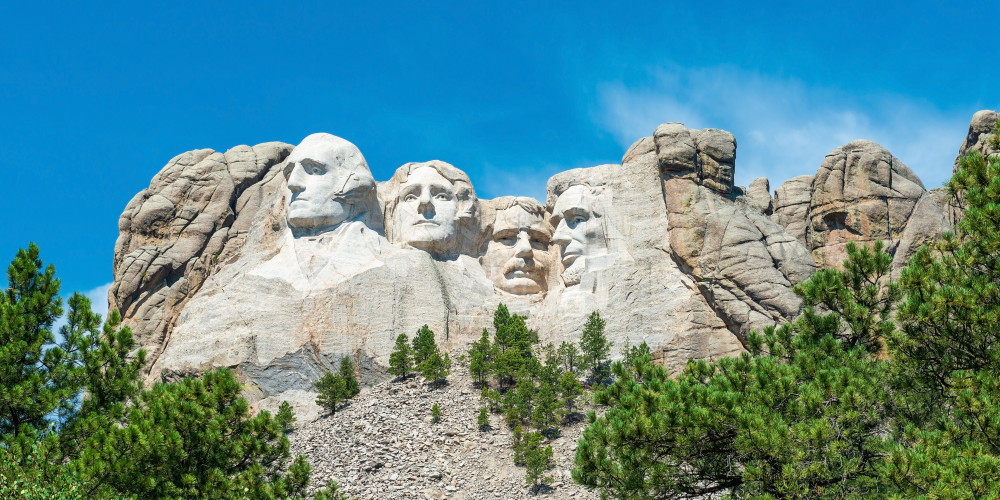
South Dakota presents a distinctive car shipping landscape where vast rural expanses meet extreme continental weather patterns, creating unique challenges and opportunities for auto transport operations. The Mount Rushmore State’s sparse population of under one million inhabitants spread across 77,116 square miles establishes it as one of America’s most demanding transport environments, where carriers must navigate both geographic isolation and severe seasonal conditions to provide reliable vehicle shipping services.
South Dakota’s Unique Transport Environment
Understanding South Dakota’s car shipping market requires appreciating the state’s fundamental characteristics that differentiate it from more densely populated regions. South Dakota ranks as the fifth least densely populated state in the country, creating inherent challenges for auto transport operations. This lack of population makes the state less popular of an auto transport location, and South Dakota auto transport services suffer as a result.
The state’s geography divides naturally along the Missouri River into distinct East River and West River regions, each presenting different transport considerations. East River encompasses the agricultural plains and includes major population centers like Sioux Falls, while West River features the dramatic Black Hills region with Rapid City serving as the primary hub. This geographic division influences routing decisions and affects pricing structures throughout the state.
Speaking of I-90, it is the primary car shipping corridor in the state. Any South Dakota auto transport that starts or ends more than 50 miles north or south of I-90 is going to be the next most challenging. I-29, which runs north/south near the eastern border of South Dakota, is the other major car shipping corridor in the state. These two interstate highways form the backbone of the state’s transport infrastructure, with most efficient shipping operations concentrating along these corridors.
Transport Service Options in South Dakota
South Dakota’s harsh continental climate and sparse population density require specialized consideration when selecting appropriate transport services for vehicle shipping.
Open Car Shipping
Open car shipping remains the most practical and economical choice for South Dakota transport, particularly suitable for standard vehicles traveling during favorable weather periods. Open transport is the most common and less expensive option, allowing multiple vehicles to be shipped simultaneously. However, South Dakota’s extreme weather variations create specific timing considerations for open transport operations.
The state’s continental climate brings intense temperature swings that can affect vehicle condition during transport. Winter temperatures can plummet to 10°F (-12.2°C) across most parts of the state, while summer heat can reach into the upper 80s with intense sun exposure on the open plains. These conditions require careful scheduling to minimize weather-related impacts on transported vehicles.
Nevertheless, open transport works effectively for most South Dakota shipments when properly timed. The state’s low humidity compared to coastal regions reduces moisture-related concerns, while the expansive highway system accommodates large transport trucks efficiently during favorable weather periods.
Enclosed Car Shipping
Enclosed car shipping provides essential protection against South Dakota’s extreme weather conditions, particularly valuable for luxury, classic, or high-value vehicles requiring maximum protection. South Dakota’s northern location and proximity to the typical U.S. winter storm track make it highly susceptible to heavy snows, high winds, and low wind chill temperatures.
The state’s weather patterns create compelling reasons to consider enclosed transport. In any given year, the probability of a blizzard occurring somewhere in the state is greater than 50%. During October 3–5, 2013, western South Dakota was hit by a devastating early-season blizzard, with reported wind gusts as high as 70 mph and widespread snowfall amounts of more than 20 inches. Such events demonstrate the protection value that enclosed transport provides.
Moreover, South Dakota’s continental temperature extremes can stress vehicle systems and finishes. Enclosed transport shields vehicles from temperature fluctuations, wind-driven debris, and precipitation that characterizes the state’s challenging climate conditions.
Door-to-Door Car Shipping Services
Door-to-door service proves especially valuable in South Dakota due to the state’s rural character and dispersed population centers. The availability rating to and from South Dakota is 8/10, indicating good accessibility despite the rural environment. However, rural South Dakota auto transport services are the majority of what we see in the industry today.
Carriers must navigate the balance between convenience and accessibility in South Dakota’s rural areas. While door-to-door service aims to reach customers’ exact locations, practical limitations arise in extremely remote areas where large transport trucks cannot safely operate. The state’s extensive network of highways, including Interstate 90, which makes it easily accessible for car carriers, facilitates most door-to-door operations.
Many rural customers find that meeting carriers at more accessible locations along major highways provides cost savings while maintaining reasonable convenience. This approach recognizes South Dakota’s geographic realities while enabling efficient transport operations.
Expedited Car Shipping Services
Expedited services become particularly important in South Dakota due to weather-related scheduling uncertainties and limited carrier availability in rural areas. The average time from booking to pickup is 1-3 days in major cities, but rural locations may require additional time for carrier routing.
South Dakota’s extreme weather can create urgent shipping needs when severe storms threaten or when timing becomes critical for relocations. Expedited service provides priority scheduling that helps overcome the state’s inherent logistical challenges, though premiums reflect both limited carrier availability and increased operational complexity.
Furthermore, the state’s sparse population means fewer carriers regularly serve South Dakota routes, making expedited service valuable for time-sensitive shipments that cannot wait for regular carrier availability cycles.
Guaranteed Car Shipping Services
Guaranteed shipping services address South Dakota’s unique reliability challenges stemming from weather unpredictability and limited carrier frequency. The state’s continental climate creates scenarios where standard shipping schedules may face weather-related disruptions, making guaranteed service particularly valuable.
However, guaranteed service availability remains limited in South Dakota due to the same factors that affect overall carrier availability. Companies offering guaranteed service typically charge significant premiums to compensate for the operational risks associated with serving remote locations during unpredictable weather conditions.
South Dakota’s Extreme Weather Impact
South Dakota’s continental climate creates some of the most challenging weather conditions for auto transport operations in the United States, requiring specialized planning and seasonal awareness.
Winter Weather Challenges
Winter sees South Dakota grappling with intense cold. January, in particular, experiences average high temperatures that stay below the freezing point. The lows can plummet to 10°F (-12.2°C) across most parts of the state. Snowfall becomes a common sight, with plains witnessing regular snow episodes.
The Black Hills region experiences particularly severe winter conditions, with mountainous regions amassing snowfall exceeding 100″ (2540mm), showcasing a wintry landscape but imposing challenges for travel and outdoor activities. Average monthly snowfall ranges from five inches in Rapid City to 15 inches in the Black Hills, creating significant operational challenges for transport carriers.
March typically represents the snowiest month of the year, with average snowfall 15 to 25 inches in the northern Black Hills and eight to 12 inches over the southern Hills. These conditions often extend the traditional winter shipping season into spring, requiring flexible scheduling and weather-aware planning.
Blizzard Preparedness
South Dakota’s susceptibility to severe blizzards creates unique planning requirements for auto transport operations. The 2013 early-season blizzard demonstrated the state’s vulnerability, with Lead reporting 55 inches of snowfall over three days and Rapid City receiving 23.1 inches, the city’s second-highest 3-day snowfall total on record.
Such extreme weather events can completely halt transport operations, making backup planning essential. Carriers operating in South Dakota maintain weather monitoring systems and alternative routing capabilities to navigate around severe storm systems when possible.
Summer Considerations
While winter presents the most obvious challenges, South Dakota’s summers bring their own transport considerations. Summer in South Dakota is characterized by warm to hot conditions, with temperatures reaching the mid-80s and intense prairie sun exposure affecting vehicles during open transport.
The state’s continental location also makes it susceptible to severe thunderstorms and occasional tornado activity, particularly in the southeastern region which is part of Tornado Alley. These weather patterns require carriers to maintain flexibility in routing and scheduling during summer months.
Geographic Challenges and Route Optimization
South Dakota’s vast geography and limited highway infrastructure create distinct challenges for efficient auto transport routing and scheduling.
Interstate Highway Dependencies
The two best cities to ship a car to or from in South Dakota are Rapid City along I-90 on the western edge of the state, and Sioux Falls, which is also along I-90 but on the far eastern edge of the state. Sioux Falls also has the added bonus of I-29 running through it for those car carriers traveling up and down I-29.
These cities benefit from optimal highway access, but their geographic separation of approximately 360 miles across the state creates challenges for east-west routing. Carriers must often choose between efficient interstate routing and direct service to rural areas located away from these primary corridors.
Rural Access Limitations
Most of the time any location along, or close to, I-90 and I-29 are also decent car shipping options in South Dakota. However, locations more than 50 miles from these interstate corridors face significant accessibility challenges and higher costs.
Rural locations require carriers to deviate from efficient interstate routing, increasing both time and fuel costs. The state’s sparse population means limited opportunities for carriers to combine multiple shipments in rural areas, forcing them to treat such deliveries as specialized routing rather than efficient multi-stop operations.
Black Hills Region Considerations
The Black Hills region presents unique geographic challenges despite being accessible via I-90 through Rapid City. The mountainous terrain and winding roads create operational limitations for large transport trucks, while winter weather conditions can be particularly severe due to elevation changes.
Additionally, popular destinations like Deadwood and other tourist areas in the Black Hills may require smaller delivery vehicles or alternative arrangements due to road restrictions and seasonal accessibility issues.
South Dakota Car Shipping Pricing
Car shipping costs in South Dakota reflect the state’s unique combination of geographic challenges, weather-related risks, and limited carrier availability, creating pricing structures that differ significantly from more populated regions.
Pricing to South Dakota (Inbound)
| Origin City | Destination | Distance (miles) | Open Transport | Enclosed Transport | Transit Time |
|---|---|---|---|---|---|
| Chicago, IL | Sioux Falls, SD | 450 | $500-$750 | $750-$1,125 | 2-3 days |
| Denver, CO | Rapid City, SD | 380 | $450-$700 | $675-$1,050 | 2-3 days |
| Minneapolis, MN | Sioux Falls, SD | 240 | $350-$550 | $525-$825 | 1-2 days |
| Los Angeles, CA | Rapid City, SD | 1,300 | $950-$1,450 | $1,425-$2,175 | 5-7 days |
| Atlanta, GA | Sioux Falls, SD | 950 | $750-$1,150 | $1,125-$1,725 | 4-5 days |
| Phoenix, AZ | Sioux Falls, SD | 1,200 | $850-$1,300 | $1,275-$1,950 | 4-6 days |
| Dallas, TX | Rapid City, SD | 750 | $650-$1,000 | $975-$1,500 | 3-4 days |
| Seattle, WA | Sioux Falls, SD | 1,100 | $800-$1,200 | $1,200-$1,800 | 4-6 days |
Pricing from South Dakota (Outbound)
| Origin City | Destination | Distance (miles) | Open Transport | Enclosed Transport | Transit Time |
|---|---|---|---|---|---|
| Sioux Falls, SD | Chicago, IL | 450 | $525-$775 | $788-$1,163 | 2-3 days |
| Rapid City, SD | Denver, CO | 380 | $475-$725 | $713-$1,088 | 2-3 days |
| Sioux Falls, SD | Minneapolis, MN | 240 | $375-$575 | $563-$863 | 1-2 days |
| Rapid City, SD | Los Angeles, CA | 1,300 | $1,000-$1,500 | $1,500-$2,250 | 5-7 days |
| Sioux Falls, SD | Atlanta, GA | 950 | $800-$1,200 | $1,200-$1,800 | 4-5 days |
| Sioux Falls, SD | Phoenix, AZ | 1,200 | $900-$1,350 | $1,350-$2,025 | 4-6 days |
| Rapid City, SD | Dallas, TX | 750 | $700-$1,050 | $1,050-$1,575 | 3-4 days |
| Sioux Falls, SD | Seattle, WA | 1,100 | $850-$1,275 | $1,275-$1,913 | 4-6 days |
Note: Prices are estimates based on standard sedan, open transport during regular season. Actual costs may vary based on vehicle type, season, and specific pickup/delivery locations.
Seasonal Shipping Patterns and Optimization
South Dakota’s extreme seasonal variations create distinct opportunities and challenges for car shipping operations throughout the year.
Winter Shipping Realities
The demand for Mount Rushmore State car shipping increases mostly during the summer season, and the auto shipping price rises accordingly. Conversely, winter months often provide cost advantages despite operational challenges. February and March are typically slow months in which car shipping rates tend to be discounted.
However, winter shipping requires careful consideration of weather-related risks. NOAA’s temperature outlook predicts below normal temperatures for nearly all of South Dakota for the winter months of December, January and February, creating challenging conditions that may extend transit times and require specialized preparation.
Winter shipping advantages include lower demand-based pricing and reduced competition for carrier space. Nevertheless, customers must balance cost savings against potential weather delays and the need for additional vehicle preparation for cold-weather transport.
Summer Peak Season
Summer months bring increased demand from multiple sources, creating the year’s highest pricing period. Tourism to attractions like Mount Rushmore, the Black Hills, and Badlands National Park generates seasonal transport demand, while agricultural activities and construction projects peak during favorable weather months.
College move-in periods in August create additional demand spikes, particularly affecting routes to and from universities in Sioux Falls and other educational centers. This seasonal demand concentration often extends booking lead times and increases pricing across all service levels.
Optimal Timing Strategies
Scheduling car shipping during South Dakota’s shoulder seasons – late fall and early spring – often provides the best balance of reasonable pricing and acceptable weather conditions. October and November represent another discount period, though potential for early winter weather requires monitoring.
Spring scheduling becomes particularly attractive as winter weather subsides but before summer demand peaks. However, March and April weather in South Dakota can be unpredictable, with spring snowstorms possible well into April in some regions.
Rural vs. Urban Transport Dynamics
South Dakota’s transport market demonstrates stark differences between urban and rural shipping experiences, reflecting the state’s population distribution and infrastructure development.
Urban Hub Advantages
Sioux Falls and Rapid City serve as the state’s primary transport hubs, offering significant advantages in terms of pricing, availability, and service options. Sioux Falls benefits from its position at the intersection of I-90 and I-29, creating natural convergence for carrier routes traveling both east-west and north-south.
Rapid City’s location provides access to the Black Hills region while maintaining interstate connectivity. Both cities support regular carrier service and competitive pricing due to their roles as regional distribution centers and population hubs.
Urban areas also provide better infrastructure for large transport trucks, including adequate turning radius, parking areas, and loading facilities that facilitate efficient operations.
Rural Location Challenges
Rural South Dakota locations face inherent disadvantages in car shipping due to geographic isolation and limited carrier frequency. It is more expensive for a car shipping carrier to travel out of his way to a rural community, creating premium pricing for rural pickups and deliveries.
The accessibility of the pickup and delivery locations can also affect the cost of auto shipping. Rural or remote areas may have limited auto transportation options or require additional travel for pickup and delivery, resulting in higher prices.
However, rural customers can employ strategies to mitigate these challenges. Meeting carriers at larger towns along interstate corridors often provides substantial cost savings while maintaining reasonable convenience. This approach recognizes the realities of South Dakota’s geography while enabling more efficient transport operations.
Economic and Demographic Factors
South Dakota’s unique economic characteristics and demographic patterns influence car shipping demand and create specific market dynamics.
Economic Drivers
South Dakota has a booming job market. The economy is thriving which opens more job opportunities. The state’s diverse economy, centered on agriculture, tourism, and growing technology sectors, creates specific transport patterns throughout the year.
Agricultural cycles generate seasonal demand for vehicle transport, particularly during harvest periods when farm families may need additional vehicles transported. Tourism related to Mount Rushmore, Badlands National Park, and the annual Sturgis Motorcycle Rally creates predictable seasonal shipping patterns.
Tax Advantages and Population Growth
South Dakota does not levy personal income tax. The state’s sales tax is also among the lowest in the country. There is also no personal property or corporate income tax in the state, making it an even more affordable place to live. These tax advantages contribute to steady population growth and increased relocation-related transport demand.
The state’s favorable business climate attracts new residents and businesses, creating consistent demand for vehicle transport services despite the inherent geographic challenges.
Military and Educational Considerations
Military installations including Ellsworth Air Force Base generate consistent transport demand, particularly during PCS (Permanent Change of Station) seasons. Military families often require specialized services including guaranteed delivery dates and flexible scheduling to accommodate service requirements.
Educational institutions like the University of South Dakota and South Dakota State University create seasonal demand patterns during move-in and move-out periods, though the scale remains modest compared to larger university markets.
Vehicle Preparation for South Dakota Conditions
Preparing vehicles for South Dakota transport requires attention to both standard shipping requirements and state-specific environmental considerations.
Winter Transport Preparation
For winter shipping in South Dakota, ensure your vehicle has proper antifreeze levels, a charged battery, and that the gas tank is approximately 1/4 full. The state’s extreme cold can affect vehicle systems, making proper fluid levels and battery condition particularly important.
Remove exterior accessories that could be damaged by snow or ice, and ensure that any winter-specific equipment like snow tires or chains are properly secured if being transported with the vehicle. Document the vehicle’s condition thoroughly, as winter transport conditions may create additional inspection complexity.
Year-Round Considerations
Clean your vehicle thoroughly (inside and out) for accurate inspection, and remove all personal belongings as they are not covered by transport insurance. South Dakota’s rural nature means limited services are available if issues arise during transport, making thorough preparation particularly important.
Disable alarm systems or provide clear instructions to drivers, as South Dakota’s sparse population means false alarms could create significant response delays. Ensure that all fluids are at appropriate levels and that the vehicle is in good mechanical condition for transport across potentially challenging terrain and weather conditions.
Future Trends and Considerations
Several factors are shaping the future of car shipping in South Dakota, reflecting both technological advances and changing demographic patterns.
Infrastructure Development
Ongoing highway improvements may enhance South Dakota’s connectivity, though the state’s vast distances and sparse population will continue to create inherent challenges. Enhanced weather monitoring and communication systems help carriers navigate the state’s challenging climate conditions more effectively.
Economic Growth Impact
South Dakota’s growing economy and population may gradually improve carrier availability and service frequency, though the state’s fundamental geographic characteristics will continue to influence transport operations.
The state’s continued development of renewable energy projects and technological industries may create new transport patterns and demand sources, potentially improving overall market dynamics.
Climate Adaptation
Carriers serving South Dakota continue developing specialized protocols for extreme weather operations, including enhanced vehicle protection measures and improved routing flexibility. These adaptations help address the state’s unique challenges while maintaining service reliability.
Conclusion
South Dakota car shipping operates in one of America’s most challenging transport environments, where vast distances, extreme weather, and sparse population create unique operational requirements. The Mount Rushmore State’s two primary interstate corridors – I-90 and I-29 – provide the backbone for efficient transport operations, though rural locations away from these highways face inherent accessibility challenges.
Understanding South Dakota’s seasonal patterns becomes essential, as winter weather creates both opportunities for cost savings and risks for delays, while summer demand peaks drive pricing higher but provide more reliable operating conditions. Success in South Dakota’s market requires selecting carriers with winter weather experience, rural route familiarity, and flexible scheduling capabilities that accommodate the state’s unpredictable climate patterns.
Whether shipping to urban hubs like Sioux Falls and Rapid City or navigating rural delivery challenges, effective planning must account for South Dakota’s distinctive combination of geographic isolation, weather extremes, and limited carrier availability that defines the Mount Rushmore State’s unique auto transport landscape.
Share on:
Top Shippers
 |
|
 |
|
 |
|
 |
|
 |