
Vermont Car Shipping: Complete Auto Transport Guide for the Green Mountain State
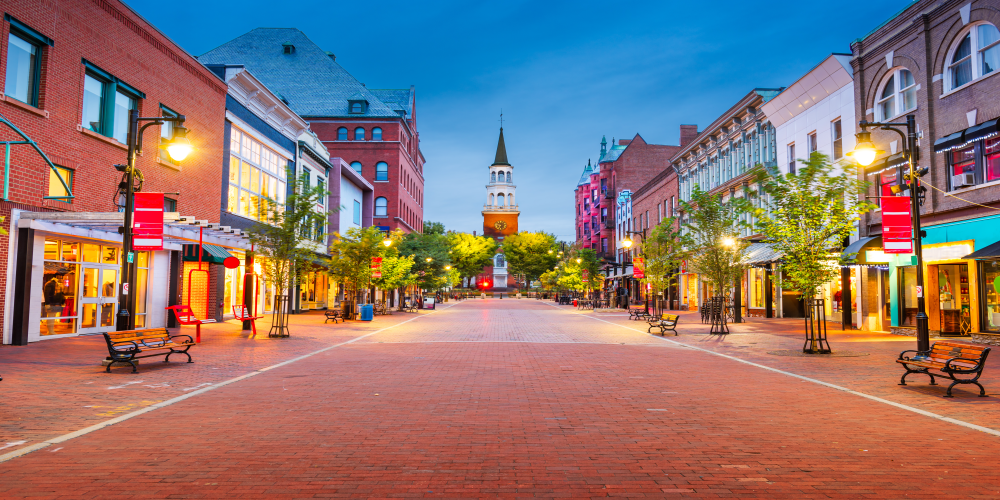
Vermont presents one of America’s most distinctive car shipping environments, where the state’s commitment to preserving rural character intersects with challenging geographic and weather conditions. The Green Mountain State’s unique combination of mountainous terrain, severe winters, and famously difficult “mud season” creates transport considerations unlike any other region. Understanding how Vermont’s sparse population distribution, limited infrastructure, and environmental consciousness influence vehicle transport becomes essential for anyone navigating this picturesque but demanding market.
Vermont’s Rural Character and Transport Implications
Vermont’s identity as America’s most rural state significantly shapes its car shipping market, creating both opportunities and constraints for vehicle transport operations.
Population Distribution Challenges
With only 648,493 residents spread across 9,614 square miles, Vermont ranks as the second-least populated state in America. This dispersed population creates unique logistical challenges, as most communities remain small and isolated. Burlington, the state’s largest city, contains fewer than 45,000 residents, while the capital Montpelier houses just 8,000 people.
Consequently, auto transport companies must navigate vast distances between deliveries, often traveling through mountainous terrain to reach scattered rural communities. Unlike states with concentrated urban corridors, Vermont’s distribution pattern requires carriers to plan routes carefully to maintain operational efficiency.
Limited Highway Infrastructure
Vermont’s road network reflects its rural character and environmental priorities. The state maintains only two major interstate highways: I-89 running north-south through central Vermont and I-91 following the Connecticut River valley. Additionally, I-93 briefly enters southern Vermont before connecting to New Hampshire.
Furthermore, 66% of all Vermont roads remain unpaved, consisting of dirt or gravel surfaces that become nearly impassable during spring “mud season.” This infrastructure limitation significantly impacts vehicle transport routing and scheduling, particularly when serving remote destinations.
Understanding Vermont’s Challenging Seasonal Patterns
Vermont’s continental climate creates some of America’s most extreme seasonal variations, profoundly affecting vehicle transport operations throughout the year.
Winter Weather Extremes
Vermont experiences harsh winters with average snowfall ranging from 60 to 100 inches annually, depending on elevation. The state’s position as the seventh coldest in the nation creates challenging conditions for vehicle transport from December through March.
Moreover, winter temperatures can plummet to -50°F, as recorded in Bloomfield, while mountain areas regularly experience even colder conditions. These extremes require specialized winterization protocols for transport vehicles and careful timing of shipments to avoid the worst weather periods.
The Infamous “Mud Season”
Vermont’s unique “mud season” represents the state’s unofficial fifth season, occurring during the transition from winter to spring typically lasting from late March through early June. This phenomenon occurs when frozen ground thaws at surface level while deeper layers remain frozen, trapping snowmelt and spring rain at ground level.
During mud season, many unpaved roads become completely impassable to large transport vehicles, severely limiting access to rural communities. Carriers must plan alternative routes or delay deliveries until road conditions improve, often extending transport times significantly.
Green Mountain Weather Variations
The Green Mountains create complex weather patterns across Vermont, with conditions varying dramatically between valleys and peaks. Elevation differences of several thousand feet within short distances can mean rain in valleys while snow falls on mountain passes.
Additionally, the mountains influence local wind patterns and precipitation, creating microclimates that affect transport conditions. Carriers must monitor weather forecasts across multiple elevation zones when planning routes through Vermont’s mountainous terrain.
Vermont Auto Transport Service Considerations
Vermont’s unique geographic and climate challenges require specialized service approaches that differ significantly from more urbanized regions.
Open Car Shipping
Open transport serves most Vermont vehicle shipping needs, though the state’s harsh weather conditions require careful timing and route planning. Vermont’s clean air standards and environmental consciousness make open transport acceptable for most customers, particularly given cost considerations in this rural market.
However, carriers must account for potential exposure to road salt, snow, and debris during winter months. Spring mud season also presents challenges, as vehicles may be exposed to muddy conditions when traveling on Vermont’s extensive unpaved road network.
Enclosed Car Shipping
Enclosed transport becomes particularly valuable during Vermont’s severe weather seasons and when serving remote mountain locations. The state’s significant population of vintage vehicle enthusiasts and collectors – drawn by Vermont’s authentic rural character – creates steady demand for enclosed transport services.
Moreover, enclosed transport provides essential protection during winter months when road salt and harsh conditions could damage vehicle finishes. The premium for enclosed service often proves worthwhile given Vermont’s challenging environmental conditions.
Door-to-Door Car Shipping Services
Door-to-door service proves especially important in Vermont due to the state’s rural nature and scattered population. However, many rural locations have narrow roads or seasonal access restrictions that limit large carrier access, requiring flexible arrangements with customers.
Carriers often designate meeting points near major highways for remote deliveries, balancing convenience with operational practicality. During mud season, even normally accessible rural roads may become impassable, necessitating alternative arrangements.
Expedited Car Shipping Services
Vermont’s seasonal access limitations create regular demand for expedited transport services. Customers often need rapid vehicle delivery before winter weather sets in or after spring roads become passable again.
Additionally, Vermont’s outdoor recreation economy creates time-sensitive transport needs for ski resort workers, summer camp staff, and seasonal residents who must coordinate vehicle arrival with employment or housing schedules.
Guaranteed Car Shipping Services
Given Vermont’s susceptibility to weather delays and seasonal access restrictions, guaranteed pickup services provide essential peace of mind for customers. Sudden weather changes can strand vehicles or delay transport for days, making guaranteed services particularly valuable.
Consequently, many customers choose guaranteed services during transitional seasons when weather conditions remain unpredictable and road access may change rapidly.
Vermont State Regulations and Transportation Requirements
Vermont maintains specific requirements for vehicle transport operations while supporting environmental protection and rural community needs.
Vehicle Registration and Inspection Requirements
New residents must register their vehicles within 60 days of establishing Vermont residency. All vehicles require annual safety inspections regardless of age, and newer vehicles also require emissions testing as part of Vermont’s federal air quality compliance program.
Vermont has required safety inspections since 1935, making it one of the longest-running inspection programs in the nation. The state currently licenses approximately 1,600 inspection stations and 5,000 certified inspection mechanics to handle this requirement.
Emissions Testing Requirements
Federal law requires Vermont to maintain an emissions testing program as part of the New England ozone transport region. Gasoline-powered vehicles model year 16 years and newer must undergo emissions testing using On-Board Diagnostics (OBD II) systems.
Vehicles not displaying valid Vermont inspection stickers must be inspected within 15 days of registration. The inspection system integrates safety and emissions testing at the same locations, streamlining the process for vehicle owners.
Environmental Considerations
Vermont’s strong environmental consciousness influences vehicle transport regulations and practices. The state has adopted California’s emissions standards, providing broader warranty coverage for emissions systems and stricter testing requirements.
Vermont’s commitment to environmental protection also affects transport routing, with carriers encouraged to use established highways rather than creating new access routes through sensitive areas.
Vermont Car Shipping Pricing Analysis
Vermont car shipping costs reflect the state’s rural nature, challenging geography, and limited carrier availability, with pricing ranging from $400 for regional transport to over $1,500 for cross-country shipments.
Pricing TO Vermont (Inbound Routes)
| Origin City | Destination | Distance | Transit Time | Price Range |
|---|---|---|---|---|
| Boston, MA | Burlington, VT | 220 miles | 1-2 days | $450-$650 |
| New York, NY | Montpelier, VT | 300 miles | 2-3 days | $500-$750 |
| Hartford, CT | Brattleboro, VT | 100 miles | 1-2 days | $350-$500 |
| Albany, NY | Bennington, VT | 70 miles | 1 day | $300-$450 |
| Philadelphia, PA | White River Junction, VT | 350 miles | 2-3 days | $550-$800 |
| Chicago, IL | Burlington, VT | 950 miles | 3-5 days | $700-$1,000 |
| Washington, DC | Rutland, VT | 450 miles | 2-4 days | $650-$950 |
| Atlanta, GA | Stowe, VT | 950 miles | 4-6 days | $900-$1,300 |
Pricing FROM Vermont (Outbound Routes)
| Origin City | Destination | Distance | Transit Time | Price Range |
|---|---|---|---|---|
| Burlington, VT | Boston, MA | 220 miles | 1-2 days | $400-$600 |
| Montpelier, VT | New York, NY | 300 miles | 2-3 days | $450-$700 |
| Brattleboro, VT | Hartford, CT | 100 miles | 1-2 days | $320-$480 |
| Bennington, VT | Albany, NY | 70 miles | 1 day | $280-$420 |
| White River Junction, VT | Philadelphia, PA | 350 miles | 2-3 days | $500-$750 |
| Burlington, VT | Chicago, IL | 950 miles | 3-5 days | $650-$950 |
| Rutland, VT | Washington, DC | 450 miles | 2-4 days | $600-$900 |
| Stowe, VT | Atlanta, GA | 950 miles | 4-6 days | $850-$1,250 |
Note: Prices are estimates based on standard sedan, open transport during regular season. Actual costs may vary based on vehicle type, season, and specific pickup/delivery locations.
Vermont Intrastate Shipping Examples
Major Corridor Connections:
- Burlington to Montpelier (40 miles): $250-$400, 1 day
- White River Junction to Rutland (50 miles): $300-$450, 1 day
- Brattleboro to Bennington (40 miles): $250-$400, 1 day
Remote Rural Examples:
- Burlington to Northeast Kingdom (80 miles): $400-$600, 1-2 days
- Montpelier to Mad River Valley (25 miles): $300-$500, 1 day
Understanding Vermont’s Car Shipping Process
The vehicle shipping process in Vermont follows industry standards while accommodating the state’s unique rural and seasonal challenges.
Step-by-Step Shipping Process
Initial Planning and Rural Considerations – Request quotes considering Vermont’s seasonal patterns and rural accessibility. Discuss specific location challenges with carriers, particularly for deliveries to remote mountain communities or areas affected by seasonal road restrictions.
Seasonal Weather Consultation – Review seasonal timing with carriers, especially regarding mud season restrictions and winter weather impacts. Vermont’s weather can change rapidly, requiring flexible scheduling and contingency planning.
Vehicle Preparation for Vermont Conditions – Prepare vehicles according to standard guidelines while considering Vermont’s environmental conditions. Document vehicle condition thoroughly, as rural transport may expose vehicles to unpaved roads and challenging weather.
Pickup Coordination and Access – Arrange pickup considering Vermont’s rural road network and seasonal limitations. Many remote locations require special arrangements, particularly during mud season when unpaved roads become impassable.
Route Planning and Monitoring – Monitor progress considering Vermont’s limited highway network and potential weather-related delays. Carriers may need to adjust routes based on seasonal road conditions and accessibility.
Delivery and Condition Assessment – Inspect vehicles carefully upon delivery, paying attention to any weather or road-related impacts from Vermont transport. Rural deliveries may involve exposure to unpaved roads or challenging conditions.
Required Documentation
- Vehicle registration and title
- Valid photo identification
- Current insurance documentation
- Vehicle keys and emergency contact information
- Special instructions for rural or seasonal access
Vermont’s Unique Geography and Transport Challenges
Vermont’s position in the Green Mountains creates distinctive challenges that significantly impact vehicle transport operations.
Green Mountain Range Impact
The Green Mountains run north-south through Vermont’s center, creating a natural barrier that affects east-west transport routing. Mountain passes can experience sudden weather changes and may become impassable during severe conditions.
Moreover, elevation changes affect vehicle performance and create varied weather conditions within short distances. Carriers must plan for these elevation transitions when routing through Vermont’s mountainous terrain.
Connecticut River Valley Corridor
The Connecticut River valley along Vermont’s eastern border provides the most reliable transport corridor, served by I-91. This region experiences more moderate weather conditions and better road access compared to mountain areas.
However, even this primary corridor can experience flooding during spring snowmelt or heavy rainfall, temporarily affecting transport schedules and requiring alternative routing.
Champlain Valley Characteristics
The Champlain Valley in northwestern Vermont provides relatively flat terrain and moderate weather conditions due to Lake Champlain’s influence. This region hosts Vermont’s largest population centers and offers the best carrier access.
Nevertheless, the valley’s agricultural character means many destinations involve rural roads that may be affected by seasonal conditions and farming activities.
Seasonal Transport Optimization Strategies
Understanding Vermont’s seasonal patterns enables customers to optimize shipping timing and minimize weather-related complications.
Optimal Transport Periods (May-October)
Late spring through early fall typically offers the best conditions for Vermont vehicle transport. Road conditions improve after mud season, and winter weather has not yet arrived.
However, summer represents peak tourism season in Vermont, potentially increasing demand for transport services and affecting pricing. Early fall provides excellent conditions before winter preparations begin.
Winter Challenges and Considerations (November-March)
Winter transport requires careful planning and weather monitoring. Carriers must be equipped for harsh conditions and prepared for potential delays due to storms or road closures.
Additionally, winter road treatments with salt and sand can affect vehicle condition, making enclosed transport more attractive during these months.
Avoiding Mud Season (Late March-Early June)
Mud season represents the most challenging period for Vermont vehicle transport. Many rural roads become impassable, severely limiting delivery options and extending transport times.
Planning shipments to arrive before mud season begins or after it ends can prevent significant delays and additional costs associated with alternative routing or extended storage.
Cost Optimization Strategies for Vermont Transport
Understanding Vermont’s unique market characteristics enables customers to minimize shipping costs while maintaining service quality.
Geographic and Accessibility Factors
Vermont’s rural nature means urban destinations like Burlington and Montpelier typically offer better pricing than remote locations. However, the state’s small size means even “remote” destinations remain relatively accessible.
Seasonal Timing Optimization
Avoiding peak tourism seasons and winter weather periods can provide better pricing and more reliable scheduling. Late spring and early fall often offer optimal conditions and competitive rates.
Service Selection Based on Conditions
Open transport works well for spring through fall deliveries, while enclosed transport becomes more valuable during winter months or when serving remote locations during challenging seasons.
Advanced Planning Benefits
Booking well in advance allows carriers to plan efficient routes through Vermont’s limited highway network and accommodate seasonal restrictions. Last-minute bookings often face significant premiums due to limited carrier availability.
Vermont’s Environmental Consciousness and Transport
Vermont’s strong environmental values influence vehicle transport practices and customer expectations throughout the state.
Clean Air Standards Impact
Vermont’s adoption of California emissions standards affects vehicle registration and creates awareness of environmental impact among transport customers. Many customers prefer carriers with environmentally conscious practices.
Rural Preservation Priorities
Vermont’s commitment to preserving rural character influences transport routing and facility development. Carriers must respect local communities and environmental sensitivity when planning operations.
Sustainable Transport Practices
Many Vermont customers prioritize sustainability, creating demand for efficient routing, fuel-conscious practices, and carriers that demonstrate environmental responsibility.
College and Seasonal Population Transport Patterns
Vermont’s educational institutions and seasonal population create distinctive transport demand patterns throughout the year.
University of Vermont Impact
The University of Vermont in Burlington creates seasonal transport demand, particularly during August move-in and May graduation periods. Students from throughout New England and beyond require vehicle transport to and from campus.
Ski Industry Seasonal Patterns
Vermont’s ski resorts create winter seasonal employment that drives vehicle transport demand. Workers often need vehicles transported for seasonal positions at resorts throughout the state.
Summer Recreation Economy
Vermont’s summer outdoor recreation economy creates demand for vehicle transport from tourism workers, camp staff, and seasonal residents who maintain Vermont properties.
Future Trends in Vermont Car Shipping
Several developments will influence Vermont’s vehicle transport market in coming years, from infrastructure improvements to demographic shifts.
Infrastructure Development
Vermont continues balancing infrastructure improvements with environmental protection and rural character preservation. Limited highway expansion may constrain transport capacity while maintaining Vermont’s distinctive character.
Climate Adaptation
Carriers increasingly develop specialized protocols for Vermont’s extreme weather conditions, including enhanced winter equipment and improved mud season response procedures.
Population Trends
Vermont’s growing appeal for remote workers and lifestyle seekers may increase transport demand while maintaining the state’s rural character. This trend could improve service frequency without compromising environmental values.
Technology Integration
Advanced weather monitoring and route optimization technology help carriers navigate Vermont’s challenging conditions more safely and efficiently while providing customers with better tracking and communication.
Conclusion
Vermont car shipping represents one of America’s most distinctive auto transport markets, where rural character intersects with challenging geography and extreme seasonal conditions. Success in the Green Mountain State requires understanding the delicate balance between accessibility and environmental preservation that defines Vermont’s approach to development. From navigating mud season’s impassable roads to serving scattered mountain communities in winter, Vermont’s transport challenges reward careful planning and local expertise.
Whether shipping for college, seasonal residence, or permanent relocation, understanding Vermont’s unique characteristics – from the Green Mountains’ weather patterns to the state’s environmental consciousness – enables better decision-making and successful transport experiences. The combination of pristine natural beauty and logistical complexity makes Vermont a market that demands both respect for local conditions and specialized knowledge of rural transport operations.
Share on:
Top Shippers
 |
|
 |
|
 |
|
 |
|
 |