
Washington Car Shipping: Complete Transport Guide for the Pacific Northwest State
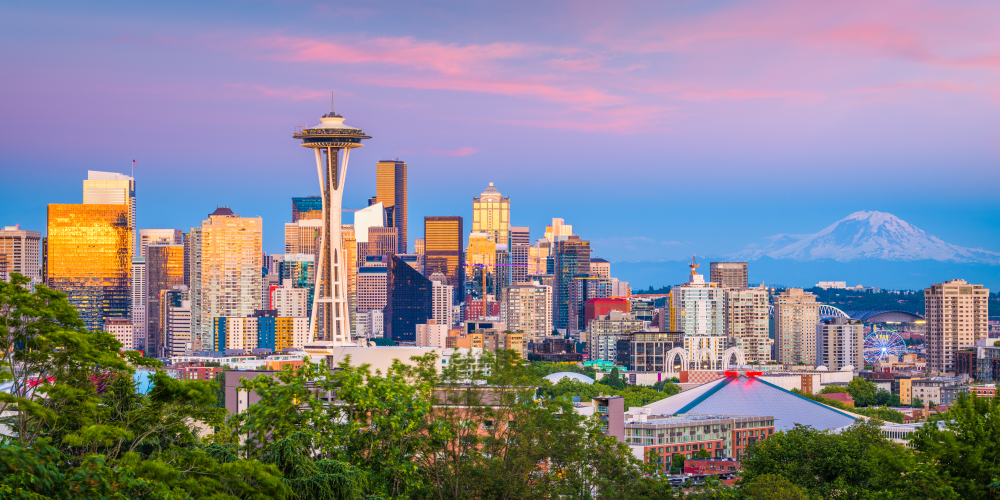
Washington stands uniquely positioned at the crossroads of international trade and diverse geographic challenges, creating one of America’s most distinctive car shipping markets. The Evergreen State’s complex terrain – from the rain-soaked coastal regions to the sun-baked eastern plains divided by the Cascade Mountains – requires specialized auto transport expertise. Furthermore, Washington’s role as a major Pacific gateway and home to aerospace giants like Boeing creates consistent demand for vehicle shipping services throughout the year.
Transport Service Options in Washington
Washington’s dramatic geographic diversity and extreme climate variations between regions necessitate specialized service approaches that differ significantly from more uniform states.
Open vs. Enclosed Transport
Open Transport – Open carriers dominate Washington’s transport market, particularly effective for the state’s western regions where moderate temperatures and frequent precipitation create manageable conditions. However, the stark climate differences between Western and Eastern Washington require careful scheduling considerations. Western Washington’s marine climate with temperatures rarely exceeding 79°F makes open transport suitable year-round, while Eastern Washington’s continental climate with summer highs reaching the mid-90s demands strategic timing for vehicle protection.
Open transport typically costs 30-40% less than enclosed options, making it the preferred choice for standard vehicles. Nevertheless, Washington’s unpredictable mountain weather patterns can create sudden challenges for open carrier operations.
Enclosed Transport – Enclosed transport becomes particularly valuable in Washington due to the state’s diverse weather challenges. Western Washington’s persistent moisture and occasional winter snowfall in mountain passes make enclosed transport preferable for luxury, classic, or moisture-sensitive vehicles. Additionally, Eastern Washington’s extreme temperature swings – from near-zero winter lows to summer highs in the 90s – create compelling reasons for enclosed protection.
The premium for enclosed transport in Washington ranges from 40-60% above open transport costs, with mountain crossing routes commanding the highest premiums due to elevation and weather protection requirements.
Door-to-Door vs. Terminal Service
Door-to-Door Service – Washington’s sprawling metropolitan areas, from Seattle’s urban complexity to Spokane’s eastern expanse, make door-to-door service particularly valuable. However, the state’s challenging terrain creates accessibility issues in mountainous regions and rural areas where large carriers cannot safely navigate.
Terminal Service – Major terminals operate in Seattle, Tacoma, Spokane, and Vancouver, offering cost savings of 10-20% compared to door-to-door options. Seattle and Tacoma benefit from their positions along major interstate corridors, while Spokane serves as the eastern hub for regional distribution.
Guaranteed and Expedited Services
Standard Shipping – Regular service typically provides pickup windows of 1-7 days, though Washington’s mountain weather and ferry-dependent island communities can extend these timeframes during adverse conditions.
Guaranteed Pickup – Essential during winter months when mountain passes can close unexpectedly or ferry schedules become disrupted. Guaranteed pickup services command 25-40% premiums during peak weather seasons.
Expedited Service – Particularly valuable for time-sensitive shipments crossing mountain passes or reaching island destinations. Expedited service reduces transit times by 30-50% but typically costs 50-80% more than standard shipping during challenging weather periods.
Washington’s Geographic Challenges
Washington’s terrain creates some of the most complex auto transport logistics in the continental United States, requiring specialized knowledge and equipment.
Mountain Crossing Considerations
The Cascade Range effectively divides Washington into two distinct transportation markets. The Cascade Mountains run north-south through central Washington and are part of a more extensive mountain range extending from British Columbia to California, creating significant elevation challenges for auto carriers. Winter weather conditions can close mountain passes, requiring alternative routing that adds both time and expense to shipments.
Eastern vs. Western Routes – With the Cascade Mountains splitting Washington in half, carriers often do not cross across the state, but rather enter in from the south. This geographic reality affects pricing and routing strategies, as carriers must carefully plan cross-state shipments to avoid challenging mountain terrain.
Marine Environment Impact
Western Washington is hilly and even mountainous in places with lots of rivers and lakes, while the extensive ferry system creates unique logistical considerations. Washington operates the largest ferry system in the United States, with implications for auto transport scheduling and routing to island communities.
Climate Complexity
The weather is relatively mild in Western Washington. Summer days rarely rise above 79° (26° C) and winter days are seldom below 45° (8° C) during the day. However, Eastern Washington presents dramatically different conditions where summers are much hotter and winters are much colder compared to the western half of the state. The average summer highs are in the upper 80s to mid 90s (27° to 34° C) and in winter, average daytime temperatures can range from the upper 30s to just above 0° F (3° to -17° C).
Washington State Regulations and Requirements
Washington maintains comprehensive vehicle transport regulations while supporting the state’s position as a major trade gateway.
Registration and Insurance Requirements
New Washington residents have 30 days to register their vehicles after establishing residency. The state requires minimum liability insurance coverage, though specific requirements may vary for different vehicle types and interstate transport operations.
Commercial Transport Requirements
Washington requires all commercial vehicle transporters to maintain proper Department of Transportation licensing and adequate insurance coverage. The state’s position as a major international trade hub means carriers must also comply with various federal regulations for interstate and international transport operations.
Documentation Requirements
Standard car shipping within or to Washington requires no special permits for normal-sized vehicles. However, Washington’s extensive port system means vehicles shipped internationally may require additional documentation through Vehicle Processing Centers.
Washington Car Shipping Pricing
Shipping a car to or from Washington typically costs between $600 and $1,800, depending on distance, terrain challenges, and seasonal factors. The state’s complex geography and weather patterns create unique pricing considerations.
FROM Washington Major Cities
| Origin City | Destination | Distance (miles) | Open Transport | Enclosed Transport | Transit Time |
|---|---|---|---|---|---|
| Seattle | Los Angeles, CA | 1,140 | $700-$1,100 | $1,050-$1,650 | 3-5 days |
| Seattle | Denver, CO | 1,320 | $850-$1,250 | $1,275-$1,875 | 4-6 days |
| Seattle | Chicago, IL | 2,100 | $1,000-$1,500 | $1,500-$2,250 | 6-8 days |
| Tacoma | Phoenix, AZ | 1,420 | $900-$1,350 | $1,350-$2,025 | 4-6 days |
| Spokane | Minneapolis, MN | 1,050 | $750-$1,150 | $1,125-$1,725 | 3-5 days |
| Seattle | New York, NY | 2,850 | $1,200-$1,800 | $1,800-$2,700 | 7-10 days |
| Vancouver | Dallas, TX | 2,100 | $1,050-$1,550 | $1,575-$2,325 | 6-8 days |
| Bellingham | Atlanta, GA | 2,650 | $1,150-$1,700 | $1,725-$2,550 | 7-9 days |
TO Washington Major Cities
| Origin City | Destination | Distance (miles) | Open Transport | Enclosed Transport | Transit Time |
|---|---|---|---|---|---|
| Los Angeles, CA | Seattle | 1,140 | $750-$1,150 | $1,125-$1,725 | 3-5 days |
| Denver, CO | Spokane | 880 | $650-$950 | $975-$1,425 | 3-4 days |
| Chicago, IL | Seattle | 2,100 | $1,100-$1,600 | $1,650-$2,400 | 6-8 days |
| Phoenix, AZ | Tacoma | 1,420 | $950-$1,400 | $1,425-$2,100 | 4-6 days |
| Minneapolis, MN | Spokane | 1,050 | $800-$1,200 | $1,200-$1,800 | 3-5 days |
| New York, NY | Seattle | 2,850 | $1,300-$1,900 | $1,950-$2,850 | 7-10 days |
| Dallas, TX | Vancouver | 2,100 | $1,100-$1,600 | $1,650-$2,400 | 6-8 days |
| Atlanta, GA | Bellingham | 2,650 | $1,200-$1,750 | $1,800-$2,625 | 7-9 days |
Note: Prices are estimates based on standard sedan, open transport during regular season. Actual costs may vary based on vehicle type, season, and specific pickup/delivery locations.
Transit Time Expectations
Washington’s geographic complexity significantly impacts shipping timeframes. Car shipping from Seattle typically costs $850-1,650 depending on distance, with delivery times ranging from 1-10 days based on your destination.
Regional Transport (Under 500 miles): 2-4 days
Medium Distance (500-1,500 miles): 4-7 days
Cross-Country Routes (Over 1,500 miles): 7-12 days
Mountain Weather Extensions: Add 1-3 days during winter conditions
Seasonal Considerations and Planning
Washington’s seasonal patterns create distinct challenges and opportunities for auto transport planning.
Weather Impact Patterns
Summer Months (June-August) – Peak demand coincides with favorable weather conditions for mountain crossings. However, increased tourism and recreational traffic can create congestion challenges, particularly on routes to national parks and recreational areas.
Fall and Winter (September-March) – Mountain weather becomes unpredictable, with potential pass closures affecting cross-state routing. Western Washington’s rainy season increases the need for enclosed transport for weather-sensitive vehicles.
Spring (April-May) – Transitional weather patterns can create scheduling challenges as mountain conditions remain variable while demand begins increasing toward summer peaks.
Ferry System Considerations
Washington’s extensive ferry network requires special planning for vehicles destined to island communities. Peak summer tourist season creates capacity constraints that can affect shipping schedules to destinations requiring ferry transport.
Consumer Preparation Guidelines
Washington’s unique environment requires specific preparation considerations beyond standard transport requirements.
Vehicle Preparation Requirements
Weather Preparedness – Ensure vehicles are properly sealed against moisture intrusion, particularly important for transport during Western Washington’s wet season. Remove or secure any items that could be affected by humidity or temperature fluctuations.
Mountain Transport Preparation – Verify proper fluid levels and battery condition, as elevation changes and temperature extremes can affect vehicle systems during transport across mountain passes.
Ferry-Related Considerations – For vehicles requiring ferry transport to final destinations, ensure all necessary documentation is readily accessible and remove any prohibited items according to ferry system regulations.
Cost Factors Specific to Washington
Geographic Complexity Premium
Washington’s mountain terrain and ferry system dependencies create operational challenges that impact pricing. Routes requiring mountain crossings or ferry connections typically carry 15-25% premiums over flat-terrain routes of similar distances.
Weather-Related Costs
Seasonal weather patterns, particularly mountain snow conditions, can require specialized routing and equipment that affects transport costs. Winter mountain crossings may require chains, specialized tires, or alternative routing that increases operational expenses.
Trade Gateway Benefits
Conversely, Washington’s position as a major Pacific trade gateway creates high carrier availability on certain routes, particularly those connecting to major California markets or cross-country destinations. This competition can moderate costs on popular shipping corridors.
Port and International Considerations
Washington’s role as a major international trade gateway creates unique opportunities and challenges for vehicle transport. Washington is the fourth largest exporting state in the United States, after New York, California, and Texas. The ports of Washington handle 8% of all American exports and receive 6% of the nation’s imports.
The extensive port system, including major facilities in Seattle and Tacoma, creates substantial container and carrier traffic that supports competitive domestic auto transport pricing. However, port congestion during peak trade periods can occasionally impact domestic transport schedules.
Carrier Selection Considerations
Washington’s challenging geography requires carriers with specific expertise and equipment capabilities.
Terrain Experience
Seek carriers with demonstrated experience navigating mountain terrain and alternative routing capabilities for weather-related delays. Carriers familiar with Washington’s elevation changes and mountain pass requirements provide more reliable service during challenging conditions.
Weather Adaptability
Companies with protocols for Washington’s diverse weather patterns – from coastal moisture to mountain snow to eastern desert conditions – offer superior service reliability throughout the year.
Ferry System Knowledge
For shipments to island destinations, carriers experienced with Washington’s ferry system scheduling and requirements ensure smoother transport logistics and more accurate delivery timing.
Future Trends in Washington Car Shipping
Infrastructure Development
Ongoing highway improvements and mountain pass upgrades continue enhancing transport efficiency across Washington’s challenging terrain. Additionally, ferry system modernization efforts aim to improve capacity and reliability for island-bound shipments.
Climate Adaptation
Carriers increasingly develop specialized equipment and protocols for Washington’s diverse climate challenges, from moisture protection systems for western routes to temperature management for eastern desert crossings.
Trade Growth Impact
Washington’s expanding role in Pacific trade continues driving carrier availability and service improvements, benefiting domestic auto transport through enhanced competition and infrastructure investment.
Conclusion
Washington car shipping represents one of America’s most geographically complex auto transport markets, requiring specialized knowledge of mountain conditions, ferry systems, and extreme climate variations. From the misty shores of Puget Sound to the sun-baked Columbia River valley, successful vehicle transport in the Evergreen State demands careful attention to seasonal timing, route selection, and carrier expertise.
Understanding these unique characteristics – from Cascade Mountain weather patterns to ferry scheduling requirements – enables better planning and cost management for anyone requiring vehicle transport to, from, or within Washington State. Success in Washington’s challenging market requires carriers experienced in Pacific Northwest conditions and customers prepared for the state’s distinctive logistical requirements.
Share on:
Top Shippers
 |
|
 |
|
 |
|
 |
|
 |