
Auto Transport Carriers vs Brokers: Who Really Ships Your Vehicle?
When shipping a vehicle, the most critical distinction to understand involves recognizing who actually transports your car versus who simply arranges the transportation. So, Auto Transport Carriers vs Brokers: Who Really Ships Your Vehicle?
This fundamental difference between auto transport carriers and brokers affects everything from pricing and liability to whom you contact when problems arise. While both entities operate within the auto transport industry, only carriers physically move vehicles. Brokers serve as intermediaries, connecting customers with carriers while assuming minimal responsibility for the actual transportation. Understanding this reality proves essential for making informed decisions and setting appropriate expectations for your vehicle shipment.
The Fundamental Truth: Only Carriers Transport Vehicles
What Auto Transport Carriers Actually Do
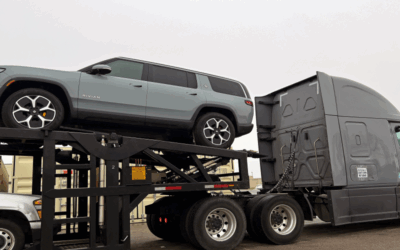
Auto transport carriers represent the backbone of the vehicle shipping industry. These companies own the trucks, employ the drivers, maintain the equipment, and physically transport vehicles from origin to destination. When your vehicle sits on a transport trailer traveling down the highway, a carrier owns that trailer, employs that driver, and bears responsibility for your vehicle’s safe delivery.
Most carriers operate as small businesses, frequently family-owned operations running one or two trucks along specific routes. These owner-operators have invested significant capital in their equipment, typically spending $150,000 to $400,000 for a truck and trailer combination. They maintain commercial driver’s licenses, comply with Department of Transportation regulations, carry mandated insurance, and manage the complex logistics of physically moving vehicles across the country.
Carriers specialize in particular corridors where they’ve established efficient operations. A carrier might, for example, focus exclusively on routes between Texas and California, developing expertise in that specific market. This specialization allows them to understand seasonal patterns, optimize fuel stops, navigate weather challenges, and maintain relationships with regular customers along their routes. However, this same specialization limits their flexibility, as they cannot efficiently serve routes outside their established territories.
What Auto Transport Brokers Really Do
Auto transport brokers function purely as middlemen in the vehicle shipping process. They own no trucks, employ no drivers, and never physically touch your vehicle. Instead, brokers maintain networks of carriers, post shipments on industry load boards, negotiate rates, and facilitate connections between customers needing transportation and carriers providing it. Essentially, brokers sell a service they do not actually perform.
The broker’s primary function involves marketing and sales, attracting customers through online advertising, search engine optimization, and competitive pricing promises. Once a customer books a shipment, the broker posts it on industry platforms where carriers bid for the load. The broker selects a carrier based on price, availability, and reputation, then marks up the carrier’s rate to generate profit.
Critically, once the broker assigns your shipment to a carrier, their involvement often diminishes significantly. While professional brokers may continue coordinating communication and addressing issues, many simply hand off all responsibility to the carrier. The broker never sees your vehicle, never meets you in person, and bears no direct responsibility for safe transport. They’ve essentially sold you access to a carrier’s services while adding their markup to the transaction.
The Hybrid Model: When Lines Blur
Some companies operate as both carriers and brokers, maintaining their own trucks while also brokering shipments to other carriers. These broker-carriers might use their own equipment when available but broker shipments to partner carriers when their trucks operate on different routes or during high-demand periods. While this model can offer flexibility, it creates confusion about when the company acts as a carrier versus a broker, significantly affecting liability and service quality.
The Reality of Liability: The Carmack Amendment
Understanding Carrier Liability Under Federal Law
The Carmack Amendment, enacted in 1906 and applied to motor carriers in 1935, establishes clear liability standards for interstate transportation. Under this federal law, carriers bear strict liability for loss or damage to vehicles during transport. This means carriers remain responsible for damage regardless of fault, unless they can prove specific exceptions such as acts of God, acts of war, shipper negligence, inherent vice of the goods, or government intervention.
This strict liability standard places the legal burden squarely on carriers. When damage occurs during transport, the carrier must either pay for repairs or prove one of the limited exceptions applies. The carrier cannot simply claim they exercised reasonable care, followed proper procedures, or that damage resulted from unforeseen circumstances. Unless they can definitively prove an exception, carriers remain liable for the actual loss or injury to transported vehicles.
Furthermore, carriers must maintain specific insurance minimums mandated by the Federal Motor Carrier Safety Administration (FMCSA). For non-hazardous freight in vehicles under 10,001 pounds, carriers must carry at least $750,000 in liability insurance. Most professional carriers maintain cargo insurance between $100,000 and $350,000, though this covers the entire load of vehicles on the trailer, not individual vehicles.
The Broker’s Limited Liability: Minimal Responsibility
Brokers face dramatically different liability standards compared to carriers. Federal law requires brokers to maintain only a $75,000 bond or trust fund, primarily protecting against broker fraud rather than vehicle damage. Crucially, brokers bear no liability under the Carmack Amendment for damage occurring during transport. They neither own the trucks nor control the transportation, therefore avoiding direct responsibility for your vehicle’s condition.
When damage occurs, brokers typically direct customers to file claims with the carrier’s insurance. While some professional brokers assist with claim coordination, they have no legal obligation to do so. Many simply provide carrier contact information and step aside, leaving customers to navigate the claims process independently. The broker’s contract typically includes disclaimers absolving them from liability for carrier actions, explicitly stating they serve only as intermediaries.
This limited liability creates a significant disconnect between customer expectations and legal reality. Customers often believe the company they paid (the broker) bears responsibility for service quality and damage claims. However, legally, the broker functions merely as a matchmaker, bearing no more responsibility for transport damage than a real estate agent bears for house defects. Once the broker connects customer and carrier, their legal obligations essentially end.
The Claims Process Reality
When vehicle damage occurs during transport, the claims process reveals the true nature of broker-carrier relationships. Under the Carmack Amendment, shippers must file claims directly with carriers within nine months of delivery. Carriers then have 30 days to acknowledge claims and 120 days to pay, deny, or make settlement offers. Throughout this process, the carrier’s insurance handles the claim, not the broker’s.
Professional brokers may assist with claim documentation, communication, and negotiation, but they do so voluntarily, not legally. Many brokers, particularly those prioritizing volume over service, simply provide carrier information and exit the process. Customers suddenly find themselves dealing with an unfamiliar carrier, often a small operation with limited customer service capabilities, trying to recover damages from someone they never chose to work with directly.
Moreover, if carriers deny claims or offer insufficient settlements, customers must pursue legal action against the carrier, not the broker. The broker successfully insulated themselves from liability through contract terms and their role as mere intermediaries. Even when brokers negligently selected unsafe carriers or misrepresented services, proving broker liability requires demonstrating negligence in carrier selection or that the broker exceeded their intermediary role, a challenging legal standard to meet.
Transport Options and Services: Who Really Controls What
Open Car Shipping
Open transport, representing approximately 90% of vehicle shipments, involves vehicles traveling on exposed multi-level trailers. While brokers market open transport services, carriers control every operational aspect. Carriers own the trailers, determine loading procedures, select routes, manage weather-related decisions, and bear responsibility for vehicle security during transport.
Brokers can promise open transport availability and competitive pricing, but they cannot guarantee specific equipment types, loading positions, or handling procedures because they don’t control these factors. The carrier independently decides whether to use an 8-car or 10-car trailer, how to load vehicles for weight distribution, and which routes to take. The broker’s promises about gentle handling or careful loading carry no weight since they never touch the equipment or vehicles.
Enclosed Car Shipping
Enclosed transport provides premium protection for high-value vehicles within covered trailers. Again, while brokers advertise enclosed services, only carriers with specialized enclosed trailers can actually provide this service. Enclosed transport requires significant capital investment, with trailers costing $200,000 or more. Carriers operating enclosed equipment typically specialize in this niche, maintaining higher insurance levels and serving luxury vehicle markets.
Brokers offering enclosed transport must find carriers with appropriate equipment, though they cannot guarantee equipment quality or condition. A broker might promise “fully enclosed transport,” but the actual service depends entirely on the carrier’s equipment. Some enclosed trailers feature hydraulic lift gates and climate control, while others provide basic weather protection. The broker has no control over which type ultimately transports your vehicle.
Door-to-Door Car Shipping Services
Door-to-door service involves picking up and delivering vehicles as close to specified addresses as safely possible. While brokers market this convenience, carriers determine actual accessibility based on their equipment limitations. Large transport trucks cannot navigate narrow residential streets, low bridges, or tight turns, requiring customers to meet drivers at accessible locations.
Brokers routinely promise door-to-door service without knowing whether addresses are accessible to transport trucks. Only when the carrier attempts pickup do limitations become apparent. The carrier, not the broker, decides where they can safely operate their equipment. Customers who paid brokers for door-to-door service often find themselves driving to truck stops or shopping centers to meet carriers, with brokers claiming this constitutes “as close as safely possible.”
Expedited Car Shipping Services
Expedited shipping promises faster pickup and delivery through priority scheduling. Brokers market expedited services by posting shipments with higher pay rates to attract immediate carrier attention. However, brokers cannot control carrier schedules, routes, or actual transit times. They can only offer more money and hope carriers respond quickly.
Carriers accepting expedited shipments control all operational decisions affecting timing. They determine whether to drive through the night, which routes to take, and how to prioritize multiple shipments. Weather, traffic, mechanical issues, and hours-of-service regulations all affect delivery timing, none of which brokers can influence. The broker’s expedited service promise essentially amounts to paying extra to jump the queue for carrier selection, not guaranteed faster delivery.
Guaranteed Car Shipping Services
Guaranteed pickup or delivery dates represent perhaps the most misleading service brokers offer. Brokers have no trucks, no drivers, and no operational control, yet they sell guaranteed dates based solely on carrier promises. When carriers miss guaranteed dates, customers learn that brokers cannot enforce guarantees they never had the ability to fulfill.
Carriers providing guaranteed services must reorganize routes, potentially dedicate equipment, and prioritize specific shipments. This operational flexibility belongs exclusively to carriers. When guarantees fail, brokers typically offer partial refunds while deflecting responsibility to carriers. Customers seeking recourse for missed guarantees find themselves pursuing claims against carriers they didn’t directly hire, with brokers protected by contract disclaimers.
The Economics of Broker-Carrier Relationships
How Brokers Make Money Without Providing Service
Brokers generate revenue through markup margins between customer prices and carrier payments. Industry data indicates brokers typically add $150 to $300 per vehicle for standard shipments, though margins can reach $500 or more for specialized services or during peak demand. This markup represents pure profit for facilitating connections, as brokers bear no operational costs associated with actual transportation.
The broker business model requires minimal capital investment compared to carriers. While carriers invest hundreds of thousands in equipment, maintain commercial insurance, and manage complex regulatory compliance, brokers need only a computer, phone, and marketing budget. The FMCSA requires just a $75,000 bond for broker operations, compared to $750,000 minimum insurance for carriers. This low barrier to entry explains why thousands of brokers operate compared to fewer carriers.
Furthermore, brokers often employ aggressive sales tactics to maximize margins. They might quote artificially low prices to secure bookings, then struggle to find carriers willing to accept below-market rates. This creates the common scenario where brokers later claim “unexpected demand” or “carrier shortage” to justify price increases after customers have committed. Meanwhile, carriers receive only their portion of the rate, bearing all operational costs and risks while brokers collect margins for mere facilitation.
Why Carriers Accept Broker Loads
Despite the apparent unfairness of brokers profiting without performing actual work, carriers regularly accept brokered loads. Small carriers lack marketing budgets and sales infrastructure to attract direct customers. The cost and complexity of maintaining websites, handling customer service, and managing billing often exceed small carriers’ capabilities. Brokers provide steady load volume, allowing carriers to focus on driving rather than sales.
Additionally, the fragmented nature of the carrier market creates inefficiencies brokers help resolve. With thousands of small carriers operating limited routes, matching available capacity with shipping demand requires market connectivity brokers provide. Many load boards, primarily populated by broker postings, have become essential tools for carriers to maintain full trucks and profitable operations.
However, this dependence on brokers creates power imbalances. Brokers controlling significant load volume can pressure carriers to accept lower rates, especially during slow periods. Carriers must often choose between accepting below-market broker loads or running empty trucks. This dynamic allows brokers to maintain healthy margins while carriers operate on thin profits, bearing all risks associated with actual transportation.
The Hidden Costs of Using Brokers
While brokers may appear to offer convenience and competitive pricing, hidden costs often emerge throughout the shipping process. Beyond the obvious markup, customers pay for inefficiencies created by adding intermediaries. Communication delays, misunderstandings, and finger-pointing between brokers and carriers can result in scheduling problems, service issues, and complicated claim processes.
Brokers’ lack of operational control creates uncertainty customers ultimately pay for. When brokers cannot guarantee specific services, timing, or handling procedures, customers must accept whatever carriers provide. This uncertainty might mean accepting longer transit times, meeting drivers at inconvenient locations, or dealing with equipment not matching expectations. The convenience brokers promise often evaporates when operational realities emerge.
Most significantly, the broker layer complicates accountability. When problems arise, brokers deflect to carriers while carriers may blame broker miscommunication. Customers find themselves caught between two entities, each claiming limited responsibility. This divided accountability makes problem resolution more difficult, time-consuming, and frustrating than dealing directly with the party actually performing the service.
Finding and Vetting Service Providers
The Challenge of Finding Carriers Directly
Locating carriers without broker assistance presents significant challenges. Most small carriers maintain no online presence, focusing resources on equipment and operations rather than marketing. Searching online for “auto transport” primarily returns broker websites, as brokers invest heavily in search engine optimization and paid advertising. Actual carriers rarely appear in search results, making direct contact difficult.
The FMCSA database provides one method for identifying carriers, though it requires understanding how to interpret registration types and verify active operations. Even after identifying potential carriers, determining which ones service specific routes requires individual contact. Carriers might be registered but not actively operating, or they might focus on commercial contracts rather than individual shipments.
Furthermore, carriers often prefer working with brokers despite the reduced rates. Dealing directly with individual customers requires time for quotes, explanations, and customer service that takes drivers off the road. Many carriers have established broker relationships providing steady volume without marketing costs or customer service demands. Some carriers actively refuse direct customer bookings, preferring the simplicity of broker-provided loads.
Understanding Broker Legitimacy and Limitations
Verifying broker legitimacy requires checking FMCSA registration and understanding what broker authority actually permits. Legitimate brokers maintain active MC numbers and required bonds, but this confirms only legal operation, not service quality. The ease of obtaining broker authority means thousands operate with varying professionalism levels, from established companies to individuals working from home.
More importantly, understanding broker limitations helps set appropriate expectations. Brokers cannot guarantee specific carriers, equipment conditions, or exact service parameters because they don’t control these factors. Their promises about “fully insured carriers” or “experienced drivers” represent marketing language rather than guaranteed standards. Brokers may claim to “thoroughly vet” carriers, but this often means simply verifying basic FMCSA compliance rather than comprehensive quality assessment.
Red flags indicating problematic brokers include demands for large deposits, prices significantly below market rates, reluctance to provide carrier information, and high-pressure sales tactics. However, even legitimate brokers operating professionally cannot overcome the fundamental limitation of not actually providing transportation. They remain middlemen, no matter how professional their presentation.
The FMCSA Verification Process
The Federal Motor Carrier Safety Administration website serves as the authoritative source for verifying both carriers and brokers. Searching by MC number, USDOT number, or company name reveals crucial information about operating authority, insurance status, and safety records. The distinction between “CARRIER” and “BROKER” entity types appears clearly, eliminating confusion about company roles.
However, FMCSA verification has limitations. Companies may hold both carrier and broker authority, sometimes under different names. Insurance information shows only minimum required levels, not actual coverage amounts. Safety scores apply only to carriers with sufficient inspection data, leaving many small operators without ratings. Additionally, active FMCSA registration doesn’t guarantee quality service or financial stability.
Understanding these limitations helps set realistic expectations. FMCSA verification confirms legal operation but doesn’t indicate service quality, customer satisfaction, or claims handling. Customers must perform additional due diligence, checking reviews, requesting references, and asking detailed questions about specific services and procedures.
Insurance Coverage: Protection Gaps and Reality
Carrier Insurance Requirements and Limitations
Federal regulations mandate specific insurance minimums for carriers, but these requirements often prove insufficient for vehicle transport claims. The $750,000 liability minimum covers accidents causing damage to other vehicles or property, not necessarily cargo damage. Cargo insurance, when maintained at typical $100,000 to $350,000 levels, must cover all vehicles on a trailer, potentially limiting individual vehicle coverage to $10,000 to $35,000.
Additionally, carrier insurance includes numerous exclusions. Acts of God, including severe weather, floods, and earthquakes, typically aren’t covered. Damage from riots, civil unrest, or terrorism may be excluded. Even common issues like paint overspray from road construction or damage from road debris might fall outside coverage. Carriers often interpret exclusions broadly when denying claims, leaving customers with unexpected repair costs.
The claims process with carrier insurance can prove challenging. Small carriers might use cut-rate insurance companies with poor claims service. Adjusters may undervalue damages, delay settlements, or deny claims based on technicalities. Without broker assistance, customers must navigate this process alone, potentially hiring attorneys to recover legitimate damages. The carrier’s insurance exists to protect the carrier’s interests, not necessarily to make customers whole.
Broker Bonds: Not Insurance for Your Vehicle
The $75,000 bond brokers must maintain serves a specific purpose unrelated to vehicle damage. This bond protects against broker fraud, such as taking payment without arranging transportation or misappropriating carrier payments. It does not cover vehicle damage, service failures, or any issues arising during actual transportation. Customers cannot file claims against broker bonds for transport-related problems.
Some brokers purchase additional errors and omissions insurance or contingent cargo coverage, but these remain voluntary. Even when present, such coverage typically requires proving broker negligence rather than simple damage occurrence. Proving the broker knew or should have known about carrier problems, failed to verify insurance, or misrepresented services requires documentation brokers rarely provide.
The fundamental reality remains that brokers bear no financial responsibility for vehicle damage during transport. Their contracts explicitly disclaim liability for carrier actions, and courts consistently uphold these disclaimers. The convenience brokers offer comes with the trade-off of reduced accountability and limited recourse when problems arise.
Customer Protection in a Broker-Dominated Market
Understanding Your Real Contractual Relationships
When using a broker, customers actually enter two separate relationships: one with the broker for arrangement services and another with the carrier for actual transportation. The broker contract typically disclaims liability for carrier actions, limiting the broker’s obligation to arranging transportation. The carrier relationship, often undocumented until pickup, governs actual transport terms including liability and insurance coverage.
This split relationship creates confusion about rights and responsibilities. Customers may sign detailed contracts with brokers believing these terms govern the entire transaction. However, carrier bills of lading supersede broker agreements regarding actual transportation. Carriers might impose different terms, limitations, or procedures than brokers promised. By the time customers discover these differences, vehicles are already loaded, leaving little negotiation room.
Understanding this reality before booking helps set appropriate expectations and protect interests. Request copies of both broker agreements and standard carrier bills of lading. Understand which party bears responsibility for different aspects of service. Document all communications and promises, though recognize that broker promises about carrier performance carry limited weight.
Documentation and Evidence Protection
Protecting your interests requires thorough documentation regardless of using carriers or brokers. Before transport, photograph vehicles from multiple angles, including existing damage, mileage, and interior condition. Create written condition reports noting any issues, however minor. This documentation becomes crucial evidence if damage occurs, as disputes often center on pre-existing versus transport damage.
During pickup, carefully review the carrier’s bill of lading before signing. Note any existing damage the driver identifies and ensure it matches your assessment. If the driver refuses inspection or rushes the process, document this refusal. Take photos showing the vehicle loaded on the trailer, including its position relative to other vehicles. These images can prove important if damage results from improper loading or securing.
Upon delivery, inspect thoroughly before signing acceptance. Check areas prone to transport damage: bumpers, mirrors, antennas, and roof areas where straps might contact. Start the vehicle to ensure mechanical operation. If damage exists, note it on the Bill of Lading before signing. Take photos immediately, including close-ups of damage and wider shots showing the vehicle’s position on the trailer. This contemporaneous documentation strengthens any subsequent claims.
Strategic Approaches to Broker Relationships
Despite their limitations, brokers dominate the auto transport market, making complete avoidance impractical. Understanding how to strategically engage with brokers can minimize risks while accessing necessary services. Choose established brokers with verifiable business addresses, legitimate customer service operations, and transparent practices. Avoid brokers making unrealistic promises or offering prices significantly below market rates.
Request specific carrier information before committing to bookings. Professional brokers should identify potential carriers and provide insurance verification. While they cannot guarantee specific carrier assignment, they should explain their carrier selection criteria and quality standards. Brokers refusing to discuss carrier qualifications or claiming “proprietary networks” often mask substandard carrier relationships.
Maintain realistic expectations about broker services. They facilitate connections but don’t control transportation quality. Their convenience comes with reduced accountability. Understanding these limitations helps avoid disappointment and positions you to protect your interests through documentation, insurance verification, and direct carrier communication when necessary.
The Future of Auto Transport: Evolving Models
Technology and Market Disruption
Digital platforms increasingly challenge traditional broker models by providing direct carrier-customer connections with greater transparency. These platforms allow customers to see carrier profiles, insurance information, and safety records before booking. Some platforms hold payment in escrow until successful delivery, providing protection neither traditional brokers nor carriers offer.
However, technology cannot eliminate the fundamental challenge of small carriers serving limited routes. The fragmentation requiring broker coordination remains, even if the coordination method evolves. Digital platforms essentially function as automated brokers, facilitating connections without providing actual transportation. They may offer better transparency and accountability, but they cannot overcome the basic limitation of not controlling the actual service.
Regulatory Changes and Consumer Protection
Growing awareness of broker limitations and consumer complaints has prompted regulatory discussions about enhanced disclosure requirements. Proposed changes would require brokers to clearly identify their intermediary role, disclose carrier information earlier, and maintain higher bonds. Some states consider requiring brokers to maintain contingent cargo insurance, providing backup coverage when carrier insurance proves insufficient.
However, regulatory changes face industry resistance and practical challenges. Brokers argue that additional requirements would increase costs ultimately passed to consumers. Small brokers claim compliance burdens would drive consolidation, reducing competition. Meanwhile, carriers worry that increased broker regulations might reduce load availability. Balancing consumer protection with industry viability remains an ongoing challenge.
Conclusion: Making Informed Decisions
The distinction between auto transport carriers and brokers fundamentally shapes every aspect of vehicle shipping. Carriers own trucks, employ drivers, and physically transport vehicles, bearing legal responsibility under the Carmack Amendment for safe delivery. Brokers merely facilitate connections, marking up carrier rates while avoiding liability for actual transportation. This reality contradicts marketing messages suggesting brokers provide comprehensive transportation services.
Understanding this distinction empowers informed decision-making. When choosing brokers, recognize you’re paying for convenience and access, not transportation quality or accountability. The company taking your money bears minimal responsibility for your vehicle’s safe delivery. When problems arise, you’ll likely deal with an unfamiliar carrier while the broker deflects responsibility.
For those seeking maximum control and accountability, finding carriers directly remains preferable despite the challenges. Direct carrier relationships eliminate markup costs and intermediary complications. However, the difficulty of finding appropriate carriers and their limited route flexibility makes this approach impractical for many customers.
Ultimately, success in auto transport requires understanding what you’re actually buying. Brokers sell access to carrier networks, not transportation services. They profit from facilitating connections while avoiding operational risks and responsibilities. Carriers provide actual transportation but often remain hidden behind broker relationships. Recognizing this reality, documenting thoroughly, and maintaining appropriate expectations helps navigate an industry where the company you pay and the company transporting your vehicle are rarely the same.
The auto transport industry’s structure, with brokers dominating customer interactions while carriers perform actual work, creates inherent conflicts between marketing promises and operational realities. Customers must navigate this disconnect, protecting their interests through documentation, insurance verification, and clear understanding of actual responsibilities. Whether choosing brokers for convenience or seeking carriers directly, informed consumers who understand the true nature of these relationships position themselves for better outcomes when shipping vehicles.