
Montana Car Shipping: Complete Auto Transport Guide for the Treasure State
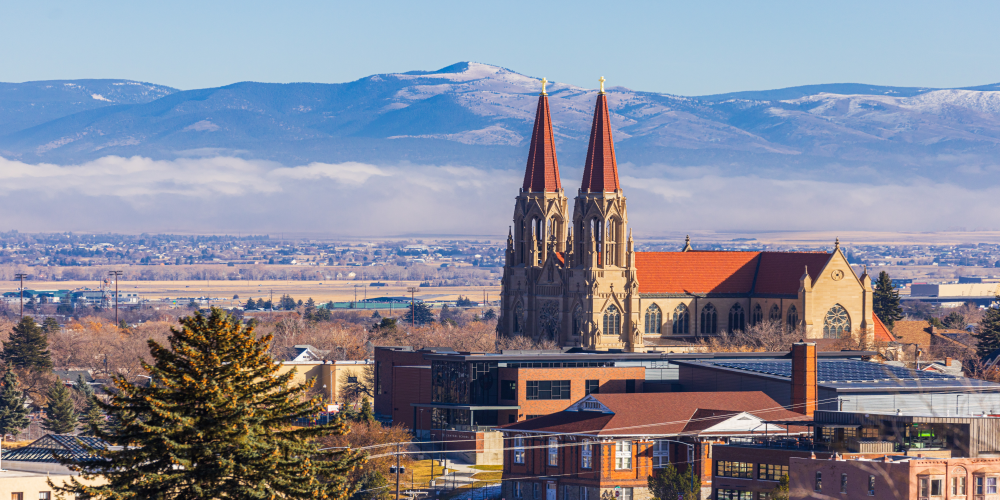
Montana’s vast expanses and rugged terrain create one of America’s most challenging yet rewarding environments for car shipping operations. The Treasure State’s unique combination of extreme weather patterns, limited interstate highway infrastructure, and scattered population centers significantly impacts every aspect of vehicle transport. Furthermore, Montana’s position as the fourth-largest state by area but one of the least densely populated presents distinctive logistical considerations that directly affect shipping costs, transit times, and carrier availability throughout the region.
Montana Car Shipping Market Overview
Montana’s auto transport market operates within distinct parameters shaped by geography and demographics, with prices typically ranging from $600 to $1,600 for standard domestic routes, though cross-country shipments can exceed $2,000. The state’s limited interstate network and vast distances between urban centers create unique pricing dynamics that often result in higher per-mile costs compared to more populated regions. Additionally, seasonal weather extremes, from blizzards to summer heat, introduce variability in both pricing and scheduling that requires careful planning.
The I-90 corridor from Billings through Bozeman to Missoula serves as Montana’s primary shipping artery, with most efficient and cost-effective transport occurring along this route. Cities positioned along this interstate benefit from regular carrier traffic, while locations north or south of this corridor face increased costs and extended delivery windows. Meanwhile, the convergence of I-90 and I-15 at Butte creates the state’s most accessible shipping hub, offering optimal connectivity for vehicles moving in multiple directions.
Major Montana Cities for Car Shipping
Eastern Gateway: Billings
Billings stands as Montana’s largest city and premier shipping hub, strategically positioned where I-90 and I-94 divide and converge. This junction makes Billings ideal for shipments traveling east-west and provides crucial access to North Dakota and Wyoming markets. The city’s role as Montana’s commercial center ensures consistent carrier traffic, resulting in more competitive pricing and shorter pickup windows compared to other state locations. Furthermore, many auto transport companies maintain terminal facilities in Billings, offering both door-to-door and terminal shipping options.
Western Hub: Missoula
Missoula serves as western Montana’s primary shipping center, positioned along I-90 near the Idaho border. Home to the University of Montana, the city experiences seasonal shipping peaks corresponding with academic calendars, particularly in August and May. Despite its favorable interstate location, Missoula’s position in mountainous terrain can create weather-related challenges, especially during winter months when Lookout Pass and other mountain corridors experience severe conditions.
Capital Region: Helena
Helena benefits from its position along I-15, providing north-south connectivity between Great Falls and Butte. The state capital’s central location makes it a secondary hub for vehicles moving between Canada and states to the south. However, Helena’s distance from the primary I-90 corridor means slightly higher costs and potentially longer transit times compared to Billings or Missoula.
University Town: Bozeman
Bozeman’s location along I-90, combined with Montana State University’s presence, creates consistent demand for vehicle shipping services. The city’s proximity to Yellowstone National Park also generates seasonal tourism-related shipping. Nevertheless, Bozeman Pass presents significant winter challenges, with frequent closures and hazardous conditions affecting transport schedules from November through March.
Northern Montana: Great Falls
Great Falls occupies a strategic position along I-15 in north-central Montana but faces challenges due to its distance from the primary east-west corridor. The city serves as an important regional center for central Montana, though carriers often require additional compensation for deviating from main routes. Military presence at Malmstrom Air Force Base provides some consistent shipping demand.
Rural and Remote Areas
Montana’s extensive rural regions, particularly areas more than 50 miles from interstate highways, present significant shipping challenges. Towns in northeastern Montana near the Canadian border or southeastern regions near Wyoming often require special arrangements with carriers. These locations typically experience costs 20-40% higher than interstate corridor cities and may wait several weeks for carrier availability.
Transport Service Options and Services
Open Car Shipping
Open transport dominates Montana’s shipping market, accounting for approximately 90% of all vehicle movements. This method exposes vehicles to Montana’s diverse weather conditions but remains the most practical option for standard vehicles. The state’s extreme temperature variations, from summer heat exceeding 100°F to winter lows below -40°F, make timing considerations important. Additionally, Montana’s rural roads often present dust and gravel hazards that customers should consider when choosing open transport.
Enclosed Car Shipping
Enclosed transport provides essential protection for high-value vehicles navigating Montana’s challenging conditions. This service becomes particularly valuable during winter months when road salt, ice, and blowing snow pose risks to vehicle exteriors. The premium for enclosed transport in Montana typically runs 50-70% higher than open shipping, with limited availability due to fewer enclosed carriers serving the state’s rural markets.
Door-to-Door Car Shipping Services
Door-to-door service in Montana often requires flexibility due to the state’s geography. While urban areas like Billings and Missoula can accommodate standard door-to-door delivery, rural locations frequently necessitate meeting carriers at accessible points. Low bridges, weight restrictions on rural roads, and seasonal road closures mean customers in remote areas may need to travel to nearby towns or interstate access points for vehicle exchange.
Expedited Car Shipping Services
Expedited shipping faces unique challenges in Montana due to limited carrier availability and vast distances. This service typically reduces transit times by 25-30% but commands premium pricing, often 40-60% above standard rates. Weather conditions can override expedited scheduling, particularly during winter storms or spring flooding that closes major routes.
Guaranteed Car Shipping Services
Guaranteed pickup services provide certainty in scheduling but come at significant premiums in Montana’s limited market. These services typically cost 35-50% more than standard shipping and require booking well in advance. Military personnel and seasonal residents frequently utilize guaranteed services to coordinate with specific relocation dates.
Montana Car Shipping Pricing
Understanding Montana’s unique pricing structure helps customers budget appropriately for vehicle transport in this challenging market.
Pricing FROM Montana Major Cities
| Origin City | Destination | Distance | Cost Range | Transit Time |
|---|---|---|---|---|
| Billings, MT | Denver, CO | 700 miles | $600-$800 | 2-4 days |
| Missoula, MT | Seattle, WA | 475 miles | $700-$950 | 2-3 days |
| Great Falls, MT | Minneapolis, MN | 1,500 miles | $1,100-$1,400 | 4-6 days |
| Bozeman, MT | Salt Lake City, UT | 550 miles | $650-$850 | 2-3 days |
| Helena, MT | Portland, OR | 675 miles | $750-$1,000 | 3-4 days |
| Billings, MT | Chicago, IL | 1,650 miles | $1,200-$1,500 | 5-7 days |
| Missoula, MT | Los Angeles, CA | 1,450 miles | $1,100-$1,400 | 5-6 days |
| Great Falls, MT | Phoenix, AZ | 1,650 miles | $1,200-$1,600 | 5-7 days |
Pricing TO Montana Major Cities
| Origin City | Destination | Distance | Cost Range | Transit Time |
|---|---|---|---|---|
| Denver, CO | Billings, MT | 700 miles | $650-$850 | 2-4 days |
| Seattle, WA | Missoula, MT | 475 miles | $750-$1,000 | 2-3 days |
| Minneapolis, MN | Great Falls, MT | 1,500 miles | $1,150-$1,450 | 4-6 days |
| Salt Lake City, UT | Bozeman, MT | 550 miles | $700-$900 | 2-3 days |
| Portland, OR | Helena, MT | 675 miles | $800-$1,050 | 3-4 days |
| Dallas, TX | Billings, MT | 2,000 miles | $1,400-$1,750 | 6-8 days |
| Phoenix, AZ | Missoula, MT | 1,550 miles | $1,200-$1,550 | 5-7 days |
| Kansas City, MO | Bozeman, MT | 1,650 miles | $1,250-$1,600 | 5-7 days |
Note: Prices are estimates based on standard sedan, open transport during regular season. Actual costs may vary based on vehicle type, season, and specific pickup/delivery locations.
How Montana Car Shipping Works
The Complete Process
The car shipping process in Montana requires additional preparation due to the state’s unique challenges. Begin by requesting quotes from carriers experienced with Montana routes, as not all companies regularly service the state. Provide detailed location information, as rural addresses may require special arrangements. Most carriers require 10-14 days advance notice for Montana shipments, longer than typical for other states.
When scheduling pickup, discuss weather contingencies with your carrier. Montana’s unpredictable weather can cause sudden route closures, particularly on mountain passes. Carriers experienced with Montana routes will provide realistic pickup windows accounting for potential weather delays. Prepare your vehicle for extreme conditions by ensuring adequate antifreeze levels and checking battery condition, as vehicles may sit in sub-zero temperatures during transport.
The inspection process becomes particularly important in Montana due to potential weather-related damage risks. Document your vehicle thoroughly, paying special attention to areas susceptible to ice damage or road debris impact. Both parties should note any existing chips in windshields, as Montana’s extreme temperature changes can cause rapid crack expansion.
During transit through Montana, vehicles typically travel 400-450 miles daily, slightly less than the national average due to mountainous terrain and weather considerations. Carriers often pause at weather check stations and may hold vehicles in safe locations during severe storms. Communication becomes essential, as mountain passes and rural areas often lack cellular coverage.
Geographic and Climate Challenges
Extreme Weather Impacts
Montana experiences some of North America’s most extreme weather variations, profoundly affecting car shipping operations. Winter conditions from November through March regularly include blizzards, ice storms, and temperature extremes that can halt transport entirely. The state averages 30-50 inches of snow annually in lower elevations, with mountain passes receiving significantly more. Road closures on critical passes like Lookout Pass, MacDonald Pass, and Bozeman Pass can extend delivery times by days or weeks.
Summer presents different challenges, with temperatures exceeding 100°F in eastern Montana creating risks for vehicle components and carrier equipment. Sudden thunderstorms can produce hail, flash flooding, and tornadoes, particularly in the eastern plains. Wildlife presents year-round hazards, with vehicle-animal collisions affecting both transport safety and scheduling.
Infrastructure Limitations
Montana’s highway infrastructure, while well-maintained, covers vast distances with limited redundancy. The state contains only 1,200 miles of interstate highway serving 147,000 square miles of territory. When primary routes close, detours can add hundreds of miles to shipments. Rural roads often feature weight restrictions, narrow passages, and seasonal closures that limit carrier access.
The mountainous western third of the state presents particular challenges, with steep grades, sharp curves, and elevation changes affecting carrier fuel efficiency and travel times. Eastern Montana’s expansive plains offer fewer obstacles but require carriers to travel long distances between fuel stops and services.
Seasonal Patterns and Demand
Peak Shipping Seasons
Summer months from June through August see highest demand as tourists, seasonal residents, and students generate shipping activity. This period offers best weather conditions but also highest prices, with rates typically 15-25% above winter levels. University-related shipping creates concentrated demand in late August and early May, particularly affecting Missoula and Bozeman markets.
Winter Challenges and Opportunities
Winter shipping from December through March offers lower prices but significantly increased risk of delays. Carriers may refuse certain routes entirely during severe weather events. Some companies suspend Montana service during the worst winter months, creating availability challenges. However, customers with flexible timelines can achieve 20-30% savings by shipping during winter’s off-peak periods.
Optimal Shipping Windows
Late spring (May) and early fall (September-October) provide optimal conditions for Montana car shipping. Weather remains generally favorable while avoiding peak summer pricing. These periods offer best balance of carrier availability, reasonable pricing, and minimal weather-related delays.
University and Military Considerations
University Shipping Patterns
Montana’s universities create predictable seasonal demand patterns. The University of Montana in Missoula and Montana State University in Bozeman generate significant August inbound and May outbound shipping. Smaller institutions like Montana Tech in Butte and Carroll College in Helena contribute to regional demand. Student shipping often involves longer lead times as families coordinate cross-country moves.
Military Installation Impact
Malmstrom Air Force Base near Great Falls generates modest but consistent military-related shipping demand. The base’s missile operations create unique security considerations that may affect delivery procedures. Military families receive priority service from many carriers, with some offering discounts up to 10% for active-duty personnel.
Vehicle Preparation Requirements
Montana’s extreme conditions require thorough vehicle preparation before shipping. Begin with comprehensive cleaning to facilitate accurate inspection and remove any materials that could freeze and cause damage. Montana law prohibits certain window tinting levels, so verify compliance if shipping from states with different regulations.
Check all fluids, particularly antifreeze, as vehicles may experience extreme temperature variations during transport. Ensure your battery can withstand cold conditions, as Montana’s winter temperatures regularly drop below zero. Remove or secure any external accessories that could be damaged by ice, snow, or high winds during transport.
Document your vehicle’s condition extensively, as Montana’s harsh conditions increase damage risks. Take photos of all angles, including undercarriage areas susceptible to road salt damage. Note any existing windshield chips or cracks, as temperature extremes can cause rapid deterioration.
Insurance and Protection
Standard carrier insurance becomes particularly important given Montana’s challenging conditions. Verify coverage limits and understand exclusions related to weather damage. Many policies exclude “acts of God,” which could include Montana’s severe weather events. Consider additional coverage for high-value vehicles or when shipping during winter months.
Montana requires all vehicles to carry liability insurance, but this differs from carrier cargo insurance. Your personal auto policy may provide coverage during transport, but verify terms with your provider. Document all communications regarding insurance coverage and claims procedures before shipping begins.
Cost-Saving Strategies
Flexibility remains the most effective strategy for reducing Montana shipping costs. Providing carriers with 5-7 day pickup and delivery windows allows them to efficiently combine shipments on Montana’s limited routes. Meeting carriers at interstate access points rather than requiring rural delivery can save 15-25% on total costs.
Book services 3-4 weeks in advance for Montana routes, as limited carrier availability means last-minute bookings command significant premiums. Consider terminal shipping in Billings if you can accommodate pickup and delivery at this location. The city’s role as a regional hub offers more competitive pricing than most Montana locations.
Avoid peak university move-in/out periods and summer tourism season when possible. Winter shipping offers lowest prices if you can accept weather-related delay risks. Partner with neighbors or local businesses shipping vehicles simultaneously to negotiate group rates on Montana’s sparse routes.
Choosing the Right Montana Car Shipping Company
Essential Criteria
Select carriers with documented Montana experience, as the state’s unique challenges require specialized knowledge. Verify carriers understand winter chain requirements, weight restrictions on rural roads, and alternate routing options when primary highways close. Review insurance coverage carefully, ensuring adequate protection for weather-related risks.
Check carrier equipment suitability for Montana conditions, including proper winter preparation and mountain driving capabilities. Experienced Montana carriers maintain relationships with local towing services and understand safe holding locations during weather delays.
Red Flags to Avoid
Avoid carriers offering unusually low quotes for Montana routes, as these often indicate inexperience with the state’s challenges. Be wary of companies guaranteeing specific delivery dates during winter months, as weather makes such promises unrealistic. Question carriers unable to provide Montana-specific references or unfamiliar with major route alternatives.
Conclusion
Understanding Montana car shipping requires appreciating the state’s unique combination of geographic challenges, extreme weather, and limited infrastructure. The Treasure State’s vast distances and harsh conditions create a specialized transport market requiring experienced carriers and flexible customers. Success in shipping vehicles to, from, or within Montana depends on careful planning, appropriate service selection, and realistic expectations about timing and costs. By understanding seasonal patterns, preparing vehicles properly, and working with Montana-experienced carriers, customers can navigate the state’s challenges while ensuring safe, efficient vehicle transport across Big Sky Country.
Share on:
Top Shippers
 |
|
 |
|
 |
|
 |
|
 |