
Nebraska Car Shipping: Complete Auto Transport Guide for the Cornhusker State
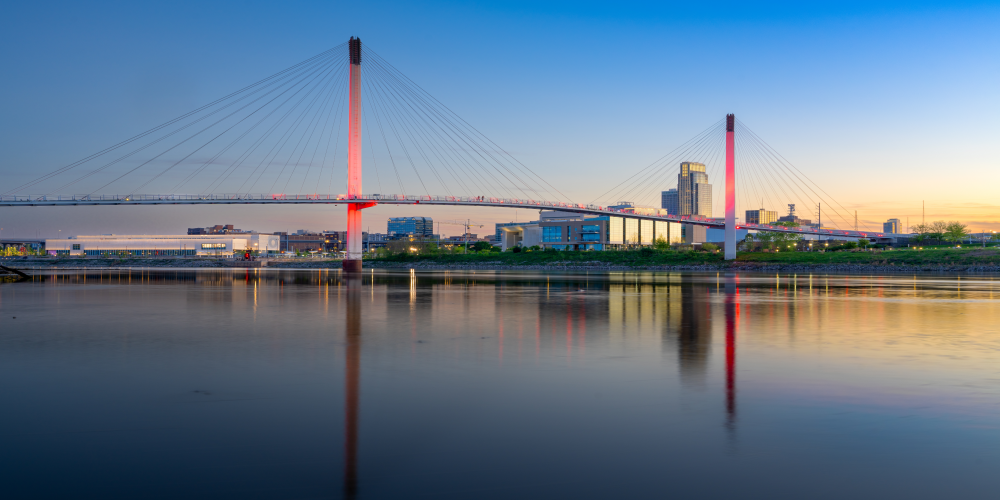
Nebraska’s unique position at America’s geographic center creates both opportunities and challenges for vehicle transport operations. The Cornhusker State’s extensive agricultural economy, combined with extreme weather patterns ranging from devastating tornadoes to harsh winter storms, establishes Nebraska as a critical yet complex auto transport hub. Understanding Nebraska’s distinct shipping dynamics becomes essential for anyone navigating vehicle transport in this crossroads state where agriculture drives the economy and weather dictates the schedule.
Transport Service Options in Nebraska
Nebraska’s continental climate and agricultural infrastructure create specific considerations for auto transport services that differ significantly from coastal regions.
Open vs. Enclosed Transport
Open Transport – Open carriers dominate Nebraska’s transport market, accounting for approximately 97% of all vehicle shipments throughout the state. This method proves particularly suitable during Nebraska’s moderate fall and spring seasons when weather conditions remain relatively stable. However, the state’s extreme weather variations require careful scheduling considerations. Summer temperatures regularly exceed 90°F with high humidity levels, while winter conditions can include severe ice storms and temperatures dropping as low as -47°F, the state’s record minimum.
Open transport typically costs $0.60 to $0.75 per mile for distances over 1,500 miles, making it the most economical choice for standard vehicles. Nevertheless, Nebraska’s position in Tornado Alley, averaging 45-50 tornadoes annually with peak activity in May and June, creates seasonal risk factors that transport companies must carefully manage through routing adjustments and weather monitoring.
Enclosed Transport – Enclosed transport becomes particularly valuable during Nebraska’s severe weather seasons, offering complete protection from the state’s extreme climate variations. With Nebraska experiencing 44 severe storm events between 1980 and 2024 that exceeded $1 billion in damages, enclosed transport provides essential protection for high-value vehicles.
The premium for enclosed transport in Nebraska ranges from 40-60% above open transport costs, with demand spiking during tornado season from April through June. Furthermore, winter months see increased enclosed transport requests due to ice storm risks that particularly affect northern Nebraska corridors along Interstate 80.
Door-to-Door vs. Terminal Service
Door-to-Door Service – Nebraska’s agricultural landscape and rural communities make door-to-door service particularly valuable, though the state’s farm equipment traffic creates unique routing challenges. During harvest seasons, carriers must navigate around slow-moving agricultural machinery that often occupies portions of rural highways. Nebraska law permits farm equipment up to 15 feet wide on highways during daylight hours, significantly impacting transport routing and timing.
Terminal Service – Major terminals operate in Omaha and Lincoln, with secondary facilities in Grand Island and North Platte along the Interstate 80 corridor. Terminal service offers cost savings of 15-25% compared to door-to-door options. However, Nebraska’s weather extremes make terminal storage challenging, particularly during summer months when temperatures can exceed 115°F in vehicle storage areas.
Guaranteed and Expedited Services
Standard Shipping – Regular service provides pickup windows of 1-7 days, though Nebraska’s agricultural seasons can significantly impact availability. The state’s $21 billion agricultural economy means transport capacity fluctuates with farming cycles, particularly during spring planting and fall harvest periods when equipment transport takes priority on many routes.
Guaranteed Pickup – Essential during peak agricultural seasons when carrier capacity becomes limited. Nebraska’s position as a major agricultural transportation hub, with trucks transporting 76% of the state’s manufactured tonnage, creates capacity constraints that make guaranteed pickup services command 30-45% premiums during harvest seasons.
Expedited Service – Particularly valuable for time-sensitive shipments, expedited service reduces transit times by 40-50% but typically costs 60-80% more than standard shipping. Winter weather events and spring tornado warnings can necessitate expedited service to meet tight deadlines when standard routes face delays.
Understanding Nebraska’s Agricultural Impact
Nebraska’s agricultural sector fundamentally shapes the state’s transportation infrastructure and seasonal shipping patterns, creating unique dynamics for vehicle transport operations.
Agricultural Economy Influence
Nebraska agriculture contributes over $25.7 billion to the state economy, representing 23.6% of gross state product. This agricultural dominance creates predictable seasonal transport patterns that significantly impact vehicle shipping availability and pricing. During peak harvest seasons, commercial carriers prioritize agricultural freight, reducing capacity for vehicle transport and driving prices up 20-35%.
The state’s 62,970 trucking industry jobs, with 30,860 truck drivers, become heavily committed to agricultural transport during critical seasons. Consequently, vehicle transport companies must compete for limited carrier availability, particularly on rural routes serving farming communities.
Seasonal Agricultural Patterns
Spring Planting Season (April-May) – Carrier availability decreases as agricultural equipment transport intensifies. Vehicle shipping prices increase 15-25% due to reduced capacity, with rural routes experiencing the most significant impacts.
Summer Growing Period (June-August) – Moderate vehicle transport availability returns, though extreme heat creates operational challenges. Carriers often schedule overnight transport to avoid peak temperatures exceeding 100°F.
Fall Harvest Season (September-November) – Peak agricultural transport demand creates the year’s tightest capacity constraints. Vehicle shipping costs can increase 25-40% on routes serving agricultural regions, with extended pickup windows common.
Winter Months (December-March) – Best availability and pricing for vehicle transport, though weather risks require flexible scheduling. Ice storms and blizzards can cause sudden route closures, particularly on Interstate 80.
Nebraska State Regulations and Requirements
Nebraska maintains relatively straightforward vehicle transport regulations while accommodating the state’s significant agricultural traffic.
Registration and Insurance Requirements
New residents must register vehicles within 30 days of establishing Nebraska residency. The state requires minimum liability insurance coverage of $25,000 per person for bodily injury, $50,000 per accident for bodily injury, and $25,000 for property damage. Unlike neighboring states, Nebraska has no toll roads, eliminating concerns about toll transponder management during transport.
Agricultural Vehicle Considerations
Nebraska’s Covered Farm Vehicle regulations under Federal MAP-21 legislation create unique traffic patterns affecting vehicle transport. Farm vehicles can operate without commercial driver’s licenses under specific conditions, leading to increased agricultural traffic during planting and harvest seasons. Transport carriers must account for these vehicles, which may travel at speeds as low as 25 mph on major highways.
Documentation Requirements
Standard vehicle transport requires minimal documentation, including vehicle registration, proof of insurance, and identification. However, Nebraska’s lack of emissions testing requirements simplifies the transport process compared to states with stricter environmental regulations. Military personnel stationed at Offutt Air Force Base near Omaha receive special consideration for registration extensions during deployment.
Weather and Climate Challenges
Nebraska’s extreme weather variations create year-round challenges for vehicle transport operations, requiring adaptive strategies and flexible scheduling.
Tornado Season Impacts
Nebraska averages 45-50 tornadoes annually, with 2024 recording 100 tornadoes, the third-highest total since 1950. Peak tornado activity occurs from April through June, with May traditionally being the most active month. The April 26, 2024, Arbor Day outbreak demonstrated the severe impact these events can have on transport operations, with 42 tornado warnings issued in a single day.
Transport companies implement several tornado season protocols including real-time weather monitoring systems, alternative routing plans avoiding high-risk corridors, and mandatory shelter procedures for drivers when warnings are issued. Additionally, many carriers suspend operations in affected areas until storm systems pass, potentially adding 1-3 days to delivery schedules.
Winter Weather Considerations
Nebraska experiences significant winter weather events, averaging five inches of annual snowfall statewide but with considerable regional variation. Ice storms pose the greatest risk to transport operations, potentially closing Interstate 80 for extended periods. The state’s record low of -47°F demonstrates the extreme cold that can affect vehicle batteries and fluids during transport.
Winter transport strategies include mandatory chain requirements for certain routes, reduced speed limits during adverse conditions, and increased use of enclosed transport to protect vehicles from ice accumulation. Carriers typically add 1-2 buffer days to winter delivery estimates to account for weather delays.
Summer Heat Management
With summer temperatures regularly exceeding 90°F and record highs reaching 118°F, heat management becomes critical for vehicle transport. Extreme heat can damage paint finishes, interior components, and cause tire pressure fluctuations during transport. Carriers adjust summer operations by scheduling transport during cooler morning and evening hours, increasing vehicle inspections for heat-related issues, and recommending enclosed transport for luxury or classic vehicles.
Geographic Considerations
Nebraska’s diverse terrain and strategic location create both advantages and challenges for vehicle transport operations.
Major Transportation Corridors
Interstate 80 – Nebraska’s primary east-west corridor carries the highest volume of vehicle transport traffic. This route connects Omaha to Denver, spanning 455 miles across Nebraska. However, winter weather frequently impacts this corridor, with ice storms causing multi-day closures.
Interstate 29 – Serving eastern Nebraska along the Missouri River, this north-south route connects Omaha to Kansas City and Sioux Falls. Flooding risks during spring months can affect this corridor, particularly near Missouri River crossings.
Highway 2 – Known as the “Sandhills Journey,” this scenic route serves north-central Nebraska but presents challenges for transport due to limited services and sparse population. Carriers typically charge 15-20% premiums for pickups and deliveries along this corridor.
Urban vs. Rural Considerations
Nebraska’s population concentration in eastern cities creates pricing disparities between urban and rural transport. Omaha and Lincoln, containing nearly 40% of the state’s population, offer the most competitive pricing and shortest pickup windows. Meanwhile, rural areas, particularly in the Sandhills region and western Nebraska, may require additional fees of $100-200 for door-to-door service due to routing inefficiencies.
Nebraska Car Shipping Pricing
Understanding Nebraska’s pricing structure helps consumers plan effectively for vehicle transport needs while accounting for seasonal and regional variations.
FROM Nebraska Major Cities
| Origin City | Destination | Distance (miles) | Open Transport | Enclosed Transport | Transit Time |
|---|---|---|---|---|---|
| Omaha | Denver, CO | 540 | $450-$650 | $675-$975 | 2-4 days |
| Omaha | Chicago, IL | 470 | $425-$600 | $638-$900 | 2-3 days |
| Lincoln | Dallas, TX | 650 | $520-$750 | $780-$1,125 | 3-5 days |
| Grand Island | Minneapolis, MN | 520 | $470-$675 | $705-$1,013 | 2-4 days |
| Omaha | Kansas City, MO | 190 | $350-$500 | $525-$750 | 1-2 days |
| North Platte | Phoenix, AZ | 1,100 | $825-$1,200 | $1,238-$1,800 | 4-6 days |
| Omaha | Los Angeles, CA | 1,600 | $1,100-$1,500 | $1,650-$2,250 | 5-7 days |
| Lincoln | New York, NY | 1,300 | $950-$1,300 | $1,425-$1,950 | 4-6 days |
TO Nebraska Major Cities
| Origin City | Destination | Distance (miles) | Open Transport | Enclosed Transport | Transit Time |
|---|---|---|---|---|---|
| Denver, CO | Omaha | 540 | $475-$700 | $713-$1,050 | 2-4 days |
| Chicago, IL | Lincoln | 480 | $450-$625 | $675-$938 | 2-3 days |
| Dallas, TX | Omaha | 660 | $550-$800 | $825-$1,200 | 3-5 days |
| Minneapolis, MN | Grand Island | 520 | $495-$700 | $743-$1,050 | 2-4 days |
| Kansas City, MO | Omaha | 190 | $375-$525 | $563-$788 | 1-2 days |
| Phoenix, AZ | North Platte | 1,100 | $850-$1,250 | $1,275-$1,875 | 4-6 days |
| Los Angeles, CA | Omaha | 1,600 | $1,150-$1,550 | $1,725-$2,325 | 5-7 days |
| Seattle, WA | Lincoln | 1,700 | $1,200-$1,600 | $1,800-$2,400 | 6-8 days |
Note: Prices are estimates based on standard sedan, open transport during regular season. Actual costs may vary based on vehicle type, season, and specific pickup/delivery locations.
Transit Time Expectations
Nebraska’s central location provides relatively efficient transit times to most major destinations, though seasonal factors significantly impact scheduling. Standard transit calculations estimate 500 miles per day, but Nebraska-specific factors often extend these timeframes.
Intrastate Transport: 1-2 days for distances under 200 miles within Nebraska, though agricultural traffic during harvest can add an additional day.
Regional Destinations: 2-4 days to neighboring states like Colorado, Kansas, and Iowa, with winter weather potentially adding 1-2 days.
Cross-Country Routes: 5-8 days to coastal destinations, though routes through mountain passes may face weather delays adding 2-3 days during winter months.
Peak Season Extensions: Add 2-4 days during tornado season (April-June) and harvest season (September-October) due to routing adjustments and capacity constraints.
Seasonal Considerations and Planning
Nebraska’s dramatic seasonal variations require strategic planning to optimize shipping costs and minimize weather-related delays.
Optimal Shipping Windows
Best Value Period (January-March) – Winter months offer the lowest pricing, with rates 20-30% below peak season. However, ice storm risks require flexible scheduling and potential delays of 2-4 days.
Spring Transition (April-May) – Increasing tornado activity and agricultural equipment movement create moderate pricing with higher uncertainty. Booking 3-4 weeks in advance becomes essential.
Summer Peak (June-August) – Highest demand period with premium pricing, though weather risks decrease after tornado season. Heat management becomes the primary concern for vehicle condition.
Harvest Impact (September-November) – Agricultural transport dominates carrier capacity, creating the year’s highest prices for rural routes. Urban corridor pricing remains more stable.
Weather-Driven Planning Strategies
Successful Nebraska vehicle transport requires adaptive planning around weather patterns. Monitor National Weather Service long-range forecasts when scheduling transport, particularly during transition seasons. Additionally, book guaranteed pickup services during high-risk weather periods to ensure availability despite delays.
Consider enclosed transport during tornado season (April-June) and ice storm season (December-February) for added protection. Finally, maintain flexibility with delivery dates, allowing 2-3 buffer days for weather-related delays.
Consumer Preparation Guidelines
Proper preparation ensures successful vehicle transport despite Nebraska’s challenging conditions.
Vehicle Preparation Requirements
Weather-Specific Preparations – Nebraska’s extreme temperature variations require special attention to vehicle systems. Ensure battery terminals are clean and secure, as temperature extremes can affect battery performance. Check all fluid levels but avoid overfilling, as fluids expand in heat and contract in cold.
Remove or secure any loose exterior accessories that could be damaged by wind during transport through tornado-prone areas. Furthermore, document existing hail damage thoroughly, as Nebraska leads the nation in hail damage claims.
Agricultural Season Considerations – During harvest season, vehicles may accumulate dust and agricultural debris during transport. Consider professional detailing after delivery during peak agricultural periods. Remove any items that could be damaged by dust infiltration, particularly during open transport.
Documentation Requirements
Maintain comprehensive documentation including detailed photos from all angles showing existing damage, written condition reports noting any mechanical issues, and current insurance information with carrier coverage verification. Keep copies of all transport contracts and communication for reference.
Insurance Coverage and Consumer Protection
Understanding insurance requirements protects consumers during Nebraska vehicle transport.
Carrier Insurance Standards
Federal regulations require all carriers to maintain minimum insurance coverage, though Nebraska’s severe weather risks make additional coverage advisable. Carriers typically provide $100,000 to $250,000 in cargo insurance, though exclusions may apply for weather-related damage.
Weather-Related Coverage
Given Nebraska’s extreme weather, verify coverage for hail damage, wind damage from tornadoes or severe storms, and flood damage if routing near Missouri River areas. Many carriers offer supplemental coverage for high-value vehicles at 1-2% of vehicle value.
Consumer Verification Steps
Before booking transport, verify carrier FMCSA licensing and insurance certificates, check Better Business Bureau ratings and online reviews, and confirm coverage amounts and exclusions in writing. Request references for similar routes during comparable seasons.
Cost Factors Specific to Nebraska
Several Nebraska-specific factors influence transport pricing beyond standard distance calculations.
Agricultural Economy Impact
The state’s $21 billion agricultural economy creates predictable pricing patterns. Harvest season premiums of 25-40% affect rural routes most significantly. Spring planting increases of 15-25% impact statewide availability. Meanwhile, winter agricultural downtime offers 20-30% discounts on most routes.
Weather Risk Premiums
Carriers factor weather risks into Nebraska pricing including tornado season surcharges of 10-15% for open transport, winter weather contingencies adding 5-10% to base rates, and extreme heat considerations increasing summer enclosed transport demand 20-25%.
Geographic Pricing Variations
Urban corridors along Interstate 80 offer the most competitive pricing, while rural Sandhills region pickups may cost $150-250 extra. Western Nebraska locations often require 10-15% premiums due to limited backhaul opportunities. Furthermore, Missouri River valley areas may see seasonal flooding surcharges.
Carrier Selection Considerations
Choosing carriers with Nebraska-specific experience ensures successful transport despite unique challenges.
Essential Carrier Qualifications
Seek carriers with demonstrated severe weather protocols and contingency planning, experience navigating agricultural traffic patterns, and established terminal facilities in Omaha or Lincoln for weather delays. Knowledge of alternative routing during tornado warnings is also crucial.
Red Flags to Avoid
Beware of carriers unfamiliar with Nebraska weather patterns, companies without contingency plans for severe weather, and extremely low quotes that don’t account for seasonal factors. Avoid carriers unable to provide weather delay protocols.
Verification Process
Request specific examples of Nebraska severe weather management, confirm experience with agricultural season transport, and verify relationships with Nebraska terminal facilities. Check references from similar seasonal transports.
Future Trends in Nebraska Car Shipping
Several developing trends will shape Nebraska’s vehicle transport market in coming years.
Climate Adaptation Strategies
Increasing severe weather frequency drives carrier investment in weather monitoring technology, enclosed transport capacity expansion, and enhanced driver training for extreme conditions. Route optimization software increasingly factors historical weather patterns.
Agricultural Technology Impact
Precision agriculture adoption may smooth seasonal transport demand as farming becomes more efficient. Autonomous farm equipment could reduce highway conflicts with transport carriers. However, continued agricultural growth maintains pressure on transport capacity.
Infrastructure Development
Planned improvements to Interstate 80 will enhance winter weather resilience. Secondary route development reduces dependence on primary corridors during weather events. Nevertheless, rural infrastructure challenges persist in agricultural regions.
Conclusion
Nebraska car shipping presents unique challenges stemming from extreme weather patterns and agricultural economic cycles that fundamentally shape transport operations. The state’s position in Tornado Alley, combined with harsh winter conditions and intense summer heat, requires adaptive strategies and careful planning for successful vehicle transport. Understanding these Nebraska-specific factors, from tornado season routing adjustments to harvest capacity constraints, enables better decision-making for anyone requiring vehicle transport to, from, or within the Cornhusker State. Success requires partnering with experienced carriers who understand Nebraska’s agricultural rhythms and weather extremes while maintaining flexibility to adapt when nature intervenes.
Share on:
Top Shippers
 |
|
 |
|
 |
|
 |
|
 |