
Shipping a Car with Train: Complete Guide to Rail Auto Transport
When exploring vehicle transportation alternatives, rail transport offers a unique option that combines efficiency, environmental benefits, and specialized handling. While less common than traditional truck shipping, train-based auto transport serves specific markets and provides distinct advantages for certain shipping scenarios. Understanding how rail transport works can help you determine if this method suits your vehicle shipping needs.
Understanding Rail Auto Transport
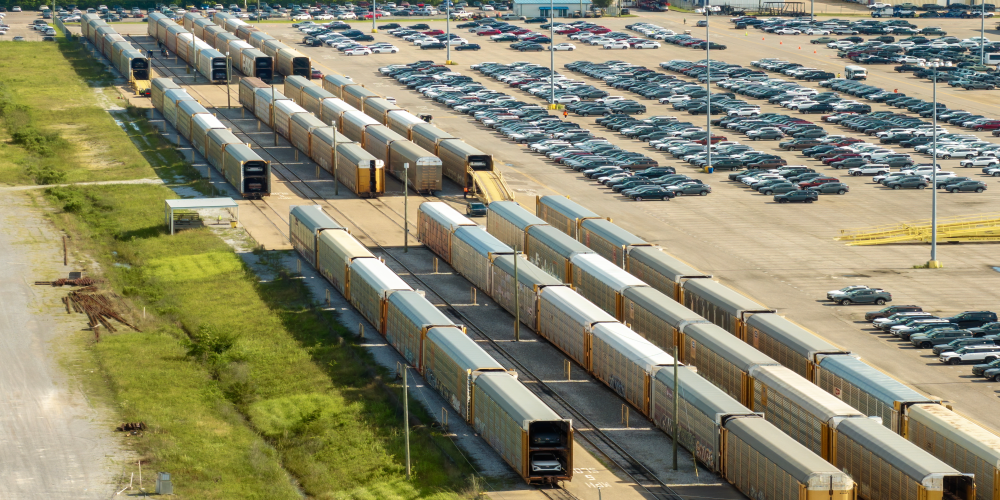
Rail auto transport utilizes specialized railroad cars called autoracks to move vehicles across long distances. These specialized pieces of railroad rolling stock are designed specifically to transport automobiles and light trucks, featuring multi-level configurations that maximize capacity while ensuring vehicle security during transit.
Major railroad companies including CSX, Union Pacific, Amtrak, and Burlington Northern Santa Fe participate in the auto transport market, though their services primarily focus on commercial shipments rather than individual consumer needs. The rail network’s extensive reach allows for efficient long-distance transportation that often surpasses truck transport in terms of fuel efficiency and environmental impact.
Modern autoracks can accommodate various vehicle types, from compact cars to SUVs and light trucks. These specialized rail cars feature adjustable tie-down systems, protective barriers, and climate considerations that ensure vehicles arrive safely at their destinations.
Types of Rail Auto Transport Services
Rail auto transport generally falls into two main categories: passenger-accompanied services and commercial freight operations. Passenger services allow vehicle owners to travel alongside their cars, combining transportation needs into a single journey. This approach eliminates the stress of long-distance driving while ensuring your vehicle reaches the same destination.
Commercial rail transport focuses on bulk vehicle shipments, typically serving automotive dealers, manufacturers, and large-scale relocations. Many railroad companies like CSX and Union Pacific provide services primarily for commercial clients rather than individual consumers, requiring different booking procedures and minimum volume commitments.
Freight-based rail transport operates on fixed schedules and predetermined routes, optimizing efficiency through consolidated shipments. This system works well for businesses needing regular vehicle transportation but may offer limited flexibility for individual shipping requirements.
The Economics of Rail Transport
Rail shipping costs vary significantly based on distance, service type, and specific route availability. Long-distance rail transport typically becomes more cost-effective as mileage increases, with per-mile rates decreasing on extended journeys. The shared infrastructure and fuel efficiency of trains can provide competitive pricing compared to individual truck transport.
However, rail transport often requires additional logistics coordination. Most rail services operate terminal-to-terminal rather than door-to-door, necessitating ground transportation to and from rail yards. These additional transfer costs and logistics must be factored into total shipping expenses when comparing transport methods.
Seasonal demand fluctuations affect rail transport pricing and availability. Peak moving seasons, holiday periods, and weather-related disruptions can impact both costs and scheduling flexibility. Planning ahead becomes crucial for securing optimal rates and preferred departure times.
Advantages of Rail Auto Transport
Environmental considerations make rail transport increasingly attractive for environmentally conscious consumers. Trains demonstrate superior fuel efficiency per vehicle compared to individual truck transport, significantly reducing carbon emissions for long-distance shipments. This environmental advantage appeals to consumers seeking sustainable transportation alternatives.
Weather protection represents another significant benefit of rail transport. Enclosed autoracks shield vehicles from rain, snow, road salt, and debris throughout the journey, unline traditional open truck transport. This protection rivals enclosed truck transport while often maintaining more competitive pricing, particularly for longer distances.
Reduced highway congestion contributes to both environmental and safety benefits. One intermodal train can remove several hundred trucks from highways, reducing congestion and emissions. This efficiency benefits the broader transportation network while providing reliable service for vehicle shipments.
Limitations and Challenges
Geographic limitations significantly restrict rail transport applicability. Rail networks serve specific corridors and terminals, limiting origin and destination options compared to the flexibility of truck transport. If your shipping needs fall outside established rail routes, this method becomes impractical or impossible.
Scheduling constraints present additional challenges. Rail services operate on predetermined timetables with limited flexibility for timing adjustments. Unlike truck carriers that can accommodate varying pickup and delivery windows, rail transport requires adherence to fixed schedules that may not align with individual preferences.
The terminal-to-terminal nature of most rail services necessitates additional transportation arrangements. Getting your vehicle to the departure terminal and from the arrival terminal to its final destination often requires separate truck transport, adding complexity and potential costs to the shipping process.
Specialized Equipment and Handling
Autoracks feature sophisticated loading and securing systems designed specifically for vehicle transport. Multi-level configurations maximize space utilization while maintaining proper weight distribution and stability during transit. Adjustable tie-down points accommodate various vehicle sizes and configurations.
Professional loading crews receive specialized training in vehicle handling and securing procedures. These technicians understand the unique requirements of different vehicle types, from low-clearance sports cars to oversized SUVs, ensuring proper positioning and restraint throughout the journey.
Climate control capabilities in modern autoracks protect temperature-sensitive vehicle components. Advanced ventilation systems prevent moisture buildup while maintaining optimal conditions for electronics, leather interiors, and other vulnerable materials during extended transit times.
Safety and Insurance Considerations
Rail transport maintains excellent safety records due to controlled environments and professional handling throughout the shipping process. The enclosed nature of autoracks protects vehicles from external hazards while specialized securing systems prevent movement-related damage during transit.
Insurance coverage for rail transport typically parallels other commercial shipping methods, with comprehensive protection during loading, transit, and unloading phases. However, coverage details and claim procedures vary between service providers, requiring careful review before booking transport services.
Pre-shipping inspections document vehicle condition thoroughly, establishing clear baselines for delivery comparisons. Professional documentation protects both shippers and carriers while facilitating insurance claims should damage occur during transport.
Planning Your Rail Transport
Successful rail transport requires advance planning and flexibility regarding timing and logistics. Research available routes and terminals that serve your origin and destination areas, considering additional ground transport requirements for terminal access.
Prepare your vehicle according to standard shipping guidelines: remove personal belongings, maintain minimal fuel levels, ensure proper tire inflation, and address any mechanical issues that might complicate loading or unloading procedures.
Consider seasonal factors that might affect availability and pricing. Peak travel periods often result in higher demand and limited availability, making early booking essential for securing preferred shipping dates and competitive rates.
Comparing Rail to Alternative Methods
Traditional truck carriers provide door-to-door convenience with nationwide coverage, making them more versatile for most shipping scenarios. Truck transport offers greater scheduling flexibility and routing options while maintaining competitive pricing for shorter to medium distances.
However, rail transport excels in specific circumstances, particularly for long-distance shipments along established corridors. The combination of weather protection, environmental benefits, and potential cost savings makes rail transport attractive for certain shipping requirements.
Air transport, while faster, typically costs significantly more than rail alternatives and may not accommodate all vehicle types. Rail transport provides a middle ground between truck shipping’s convenience and air transport’s speed, offering unique advantages for specific situations.
Making the Right Decision
Evaluate your specific needs against available rail transport options in your area. Consider factors including distance, timing flexibility, environmental priorities, and total cost including terminal access requirements.
Rail transport works best when your shipping needs align with established service routes and schedules. The environmental benefits and potential cost savings can justify any additional logistics complexity for environmentally conscious consumers or long-distance shipments.
Research service providers thoroughly, focusing on reliability, insurance coverage, and customer service quality. The specialized nature of rail transport makes provider selection crucial for ensuring satisfactory shipping experiences.
Rail auto transport offers a unique alternative to traditional vehicle shipping methods, providing environmental benefits, weather protection, and potential cost advantages for specific scenarios. While geographic and scheduling limitations restrict its applicability, rail transport serves an important niche in the broader transportation landscape, particularly for long-distance shipments along established corridors.