
Car Shipping Vehicle Tracking During Transport: Complete Guide to Monitoring Your Car in Transit
Understanding how to track your vehicle during auto transport has become increasingly important as the industry embraces modern technology. The vehicle tracking systems market reached $21.2 billion in 2023 and is projected to grow to over $39 billion by 2028 at a compound annual growth rate (CAGR) of 13.3%. This growth reflects rising consumer expectations for real-time updates, safety, and transparency, especially when shipping personal vehicles across long distances.
How Vehicle Tracking Works in Auto Transport
Vehicle tracking in transit refers to monitoring the location, movement, and behavior of vehicles while they are in motion, typically using GPS technology. Vehicle tracking technology uses GPS (Global Positioning System) satellites to pinpoint a vehicle’s location. Transport companies use various sensors and communication devices that transmit this information to central servers or monitoring systems, providing customers with visibility into their shipment’s progress.
The auto transport industry has evolved significantly from relying solely on phone calls and manual updates. Modern carriers implement sophisticated tracking systems that combine multiple technologies to provide comprehensive monitoring capabilities. These systems enhance operational efficiency for carriers while offering customers unprecedented visibility into their vehicle’s journey.
GPS-Based Tracking Systems
Global Positioning System technology forms the backbone of modern vehicle tracking in auto transport. GPS tracking uses satellite communication to deliver real-time location data. In systems where a GPS unit is installed in the vehicle or carrier, updates can be accessed via apps, websites, or SMS messages. These systems allow you to check the car’s location at any point in time.
Active GPS Tracking
Active GPS tracking provides the most comprehensive monitoring experience for auto transport customers. Active GPS tracking gives you live updates, making it great for tracking deliveries, ensuring safety, or responding quickly in emergencies. These systems continuously transmit location data, typically updating every 30 seconds to several minutes, depending on the carrier’s configuration.
Active tracking systems offer several distinct advantages for vehicle shipments. Real-time location updates allow customers to see exactly where their vehicle is at any given moment. Additionally, these systems often include geofencing capabilities that send alerts when vehicles enter or exit predetermined areas, providing automatic updates on pickup and delivery milestones.
However, active tracking systems require more power and typically involve higher operational costs for carriers. Some companies include this service in the overall shipping cost, while others may offer it as an upgrade. The continuous data transmission also depends on cellular or satellite connectivity, which can be limited in remote areas.
Passive GPS Tracking
Passive GPS tracking offers a more cost-effective alternative to real-time monitoring. Passive GPS tracking logs data for later use, which helps review trips or study patterns over time. These systems record location data at regular intervals and store it on the device until it can be downloaded or transmitted when connectivity is available.
Passive tracking proves particularly useful for route verification and historical analysis. Passive GPS tracking systems are often more cost-effective compared to their active counterparts. The absence of real-time data transmission reduces the need for continuous connectivity, resulting in lower operational costs. Many carriers use passive systems to maintain records for insurance purposes and to provide customers with post-delivery route documentation.
The primary limitation of passive tracking is the delay in data availability. Customers cannot monitor their vehicle’s progress in real-time, making this option less suitable for those who need constant updates during transport.
Cellular-Based Tracking Technologies
Cellular networks provide another communication pathway for vehicle tracking systems in auto transport. Cellular tracking utilizes cellular networks to transmit location information, cellular tracking offers another viable option for monitoring shipments. While it may not have the same global reach as satellite tracking or the pinpoint precision of GPS, it remains an effective method for real-time location updates within areas covered by cellular networks.
Cellular tracking systems work by transmitting GPS coordinates through mobile phone networks. This approach often provides faster data transmission speeds than satellite systems and typically costs less to operate. However, cellular tracking depends entirely on mobile tower coverage, which can be spotty in rural areas where many auto transport routes travel.
Many modern tracking systems combine cellular and GPS technologies to optimize performance and cost-effectiveness. These hybrid systems use cellular networks when available and can store data for transmission when connectivity is restored.
Satellite Tracking for Remote Areas
For routes that traverse remote regions with limited cellular coverage, satellite tracking provides comprehensive global monitoring capabilities.
Shipping and trucking companies tend to prefer satellite tracking systems because they provide detailed reports and real-time updates, even if there is no cellphone coverage in a particular area. This capability proves especially valuable for cross-country shipments that must travel through mountainous regions, deserts, or other areas with limited infrastructure.
Satellite tracking systems typically cost more than cellular alternatives but provide unmatched global coverage. These systems work by communicating with low-earth orbit satellites, ensuring connectivity regardless of ground-based infrastructure availability.
VIN-Based Tracking Systems
Vehicle Identification Number tracking represents a specialized approach used by some auto transport companies. VIN-based tracking uses the vehicle’s unique identification number, while order number tracking relies on the shipping company’s internal booking system. Both methods allow you to monitor your car’s status, but order number tracking is more commonly offered.
In companies that offer VIN-based tracking, the VIN is linked to the GPS tracking system used by the transport trucks. Each car in the truck is logged with its VIN, and customers can use this number to check the status of their shipment online. This approach provides enhanced security since the VIN serves as a unique identifier that’s difficult to forge or confuse with other vehicles.
However, VIN-based tracking isn’t universally available across all carriers. Limited Availability: Not every car transport company offers VIN-based tracking. Smaller companies or those using older systems may not have the technology in place to integrate VINs into their tracking processes. Privacy and security concerns also limit adoption, as companies may hesitate to make VIN data publicly accessible.
Order Number and Reference Tracking
Most auto transport companies provide vehicle tracking capabilities through order numbers or booking references. Upon booking your car shipment, the transport company provides a unique order number or booking number. This number is often used to track the shipment status via the company’s website or mobile app.
Order number vehicle tracking offers simplicity and widespread availability across virtually all carriers. Customers receive their tracking credentials upon booking, making this the most accessible form of shipment monitoring. The system typically provides milestone updates such as pickup confirmation, departure notifications, and delivery scheduling.
Nevertheless, order number vehicle tracking can be less secure than VIN-based systems since these numbers are often easier to guess or obtain. Furthermore, if customers lose their order number, retrieving tracking information can prove challenging without additional verification steps.
Communication-Based Tracking Methods
Traditional communication methods remain important components of comprehensive tracking strategies in auto transport.
Phone Updates and Driver Communication
Direct communication with drivers provides personalized tracking information that automated systems cannot match. This helps in keeping tabs on your car’s progress at any time during transit.
Drivers call 24-48 hours prior to pickup to coordinate times. This approach allows for real-time problem-solving and enables customers to receive specific information about delays, route changes, or delivery scheduling adjustments.
However, phone-based vehicle tracking has limitations related to driver availability and safety regulations. Federal regulations restrict when drivers can use phones, limiting communication windows. Additionally, manual communication depends on human reliability and may not provide the consistent updates that automated systems offer.
Email Notifications
Email-based vehicle tracking provides detailed documentation while maintaining cost-effectiveness for carriers. For some companies, you may not track your automobile as frequently as you want. They prefer to send you e-mail notifications once you request for such data.
Email notifications typically include milestone updates such as pickup confirmation, departure alerts, estimated arrival times, and delivery confirmation. Many carriers send automated emails triggered by specific events, ensuring customers receive timely information without requiring manual intervention.
The primary limitation of email tracking involves timing delays and the potential for messages to end up in spam folders. Additionally, email notifications provide retrospective information rather than real-time updates, making them less suitable for customers who need immediate visibility.
SMS Text Message Updates
Text message tracking has gained popularity due to smartphones’ ubiquity and the immediacy of SMS delivery. The SMS Tracking Notification feature lets your customers receive tracking updates for their orders as text messages. This gives your customers updates on tracking statuses directly on their mobile phones, without needing to access a tracking page.
SMS tracking typically includes automatic notifications for key milestones such as pickup completion, departure confirmation, and estimated delivery windows. Text messages often include web links that customers can click to access more detailed vehicle tracking information through web portals or mobile applications.
Text tracking offers excellent accessibility since virtually all mobile phones can receive SMS messages without requiring specialized applications. However, SMS tracking may be limited by message length constraints and can involve additional costs for carriers, which may be passed on to customers.
Web Portals and Dashboard Access
Online tracking portals provide comprehensive dashboards where customers can access detailed shipment information. After booking your shipment, you’ll receive login credentials to access your tracking dashboard, with no extra steps or hidden fees.
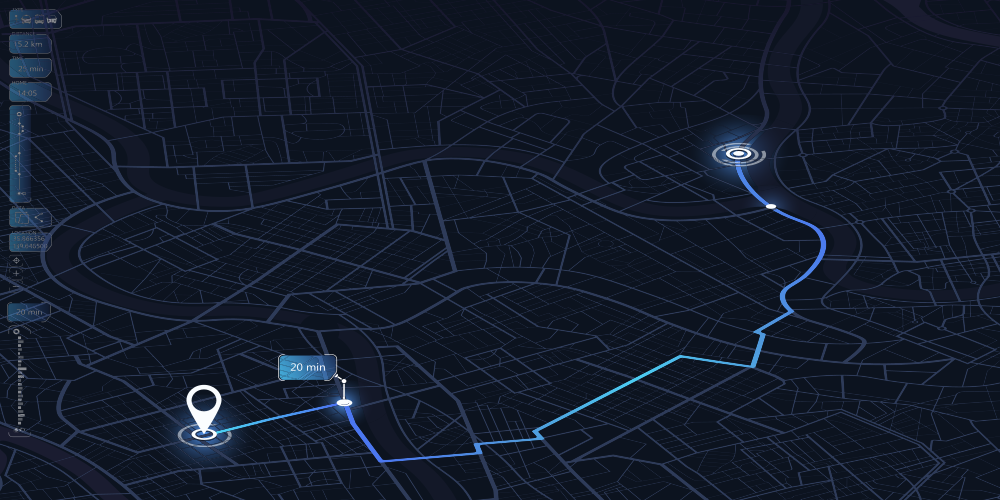
Web portals typically offer more detailed information than other tracking methods, including route maps, estimated arrival times, driver contact information, and historical location data. Many portals also provide document access for bills of lading, inspection reports, and delivery confirmations.
The main advantage of web-based tracking lies in its comprehensive information presentation. Customers can access detailed maps, review complete shipment histories, and often customize their notification preferences. However, web portals require internet access and may be less convenient for customers who prefer mobile-first experiences.
Mobile Applications
Smartphone applications represent the newest evolution in auto transport tracking technology.
Mobile applications often combine multiple vehicle tracking technologies into user-friendly interfaces. These apps typically provide push notifications, real-time maps, and direct communication capabilities with carriers or drivers. Many applications also offer offline functionality, storing tracking data that can be accessed without internet connectivity.
The primary benefit of mobile applications involves their convenience and integration with smartphone notification systems. Users receive automatic updates without needing to check emails or visit websites. However, mobile apps require downloads and may not be available from all carriers, particularly smaller companies with limited technology resources.
Comparison of Tracking Methods
Real-Time vs. Batch Updates
Different tracking methods provide varying update frequencies that impact the customer experience. Real-time systems offer immediate visibility but require more sophisticated infrastructure and higher operational costs.
Real-time tracking supports proactive decision-making with live data, whereas passive tracking can be advantageous for retrospective analysis. Customers should consider their specific needs when evaluating tracking options, balancing the desire for immediate updates against cost considerations.
Coverage Considerations
Geographic coverage varies significantly among tracking technologies. Cellular-based systems work well in populated areas but may experience gaps in rural regions. Satellite systems provide global coverage but typically cost more and may have slower update frequencies. GPS accuracy remains consistent across all systems, but data transmission methods determine overall reliability.
Satellite coverage offers true pole-to-pole connectivity that cellular coverage simply cannot match. By being able to see the rest of the globe, field operations with satellite connectivity gain breadcrumbs and usage data in some of the most remote places on earth.
Cost Implications
Tracking costs vary widely depending on the technology and service level selected. Basic phone and email communication typically incur no additional charges, while advanced GPS tracking with real-time updates may involve premium pricing. Satellite tracking generally represents the most expensive option but provides the most comprehensive coverage.
Many carriers include basic tracking services in their standard pricing while offering enhanced monitoring as optional upgrades. Customers should inquire about tracking costs during the quoting process to understand what’s included in their shipment price.
Choosing the Right Tracking Method
Personal Preferences and Communication Style
Tech Lovers: Opt for GPS tracking via app or web platform if you want full, real-time visibility.
Minimalists: Prefer fewer notifications? Choose email updates or occasional check-ins.
Personal Touch: If you value direct communication, go with a provider that offers phone-based updates from a representative or the driver.
Customer preferences play a crucial role in selecting appropriate tracking methods. Some customers prefer high-tech solutions with real-time maps and automated notifications, while others value personal communication and prefer phone calls or simple email updates.
Shipment Value and Distance
High-value vehicles may justify premium tracking services with real-time updates and satellite coverage.
Long-distance shipments crossing multiple time zones or remote areas may benefit from satellite tracking capabilities.
Short-distance or regional shipments might require only basic communication methods.
The vehicle’s value and the shipment’s complexity should influence tracking decisions. Exotic cars, classics, or vehicles with significant personal importance may warrant the additional cost of Enclosed Transport and comprehensive tracking systems.
Route Characteristics
Shipment routes through populated areas with good cellular coverage may work well with standard GPS tracking systems. Routes crossing remote regions, mountain passes, or areas with limited infrastructure may require satellite tracking capabilities to maintain consistent monitoring.
Customers should discuss route characteristics with their chosen carrier to understand potential coverage limitations and select appropriate tracking technologies.
Industry Standards and Availability
Carrier Capabilities
It’s important to note that not every auto transport company provides this service, so it is always a good practice to inquire before proceeding with your booking. Tracking capabilities vary significantly among carriers, with larger companies typically offering more advanced systems while smaller operators may rely on basic communication methods.
Customers should specifically ask about tracking options during the carrier selection process. Understanding available tracking methods helps set appropriate expectations and ensures the chosen carrier can meet specific monitoring requirements.
Regulatory Considerations
Federal Motor Carrier Safety Administration regulations impact how and when carriers can implement tracking systems. Driver safety regulations restrict phone use during operation, influencing communication timing and methods. Insurance requirements may mandate certain tracking capabilities for high-value shipments.
Technology Adoption Trends
The auto transport industry continues adopting more sophisticated tracking technologies as customer expectations evolve. Technological advancement in the industry focuses on improving customer experience while reducing operational costs for carriers.
Best Practices for Customers
Pre-Shipment Preparation
Customers should clarify tracking capabilities and procedures before booking their shipment. Understanding available tracking methods, update frequencies, and communication protocols helps set realistic expectations and ensures satisfaction with the monitoring experience.
Document all tracking information provided by the carrier, including login credentials, phone numbers, and reference numbers. Keep this information easily accessible throughout the shipment process.
During Transit Monitoring
Use available tracking tools consistently but avoid excessive checking that may cause unnecessary anxiety. Most tracking systems update at predetermined intervals, so constant monitoring may not provide additional information.
Maintain realistic expectations about tracking accuracy and update timing. Various factors including weather, traffic, and equipment issues can impact both shipment schedules and tracking system performance.
Future of Vehicle Tracking in Auto Transport
Emerging Technologies
Advances in Internet of Things technology and 5G cellular networks promise to enhance tracking capabilities while reducing costs. Artificial intelligence integration may provide predictive analytics for delivery timing and route optimization.
Enhanced sensor technologies may expand tracking capabilities beyond simple location monitoring to include vehicle condition, environmental factors, and security status throughout the transport process.
Industry Evolution
The auto transport industry continues evolving toward greater transparency and customer communication. Tracking technologies that were once premium options are becoming standard offerings as customer expectations increase and technology costs decrease.
Integration between different tracking systems and communication methods may provide more seamless customer experiences while reducing operational complexity for carriers.
Conclusion
Understanding the various vehicle tracking options available during auto transport enables customers to make informed decisions about monitoring their vehicle shipments. From basic phone communication to sophisticated satellite tracking systems, each method offers unique advantages and limitations. The optimal tracking approach depends on individual preferences, vehicle characteristics, and budget considerations. As technology continues advancing, customers can expect even more comprehensive and user-friendly tracking options in the future, making auto transport an increasingly transparent and customer-focused industry.